
Get daily math routines going that build your students’ confidence and set them up for success in math all year long.
The beginning of the school year is exciting but also exhausting. Your students are learning new classroom expectations, adjusting to new routines, and in the middle of it all, you need to get them reviewing skills that they may not have practiced all summer. Instead of jumping straight into your curriculum, use this time to build strong daily math routines that will support student learning for the rest of the school year.
Having consistant daily math routines will help students know what to expect each day, reduces transition time, and gives you valuable opportunities to assess what your students already know. Simple daily math routines will strengthen number sense, encourage mathematical thinking, and make your mornings run more smoothly.
Table of Contents
1. Start Your Mornings or Math Block with Spiral Review
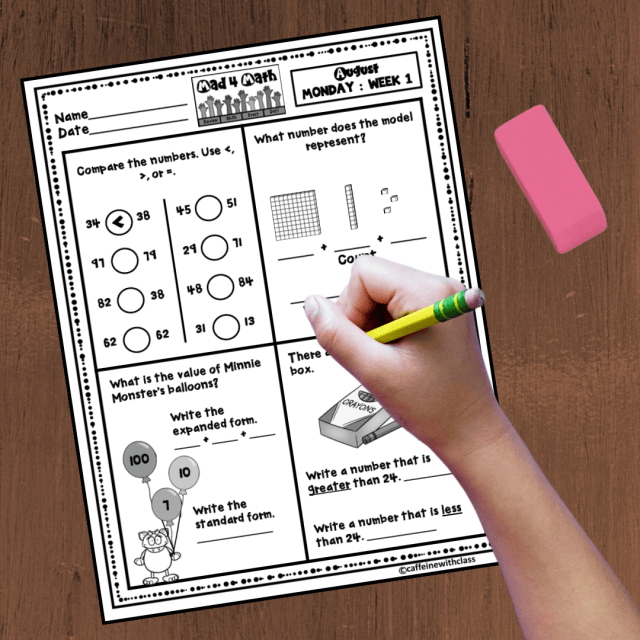
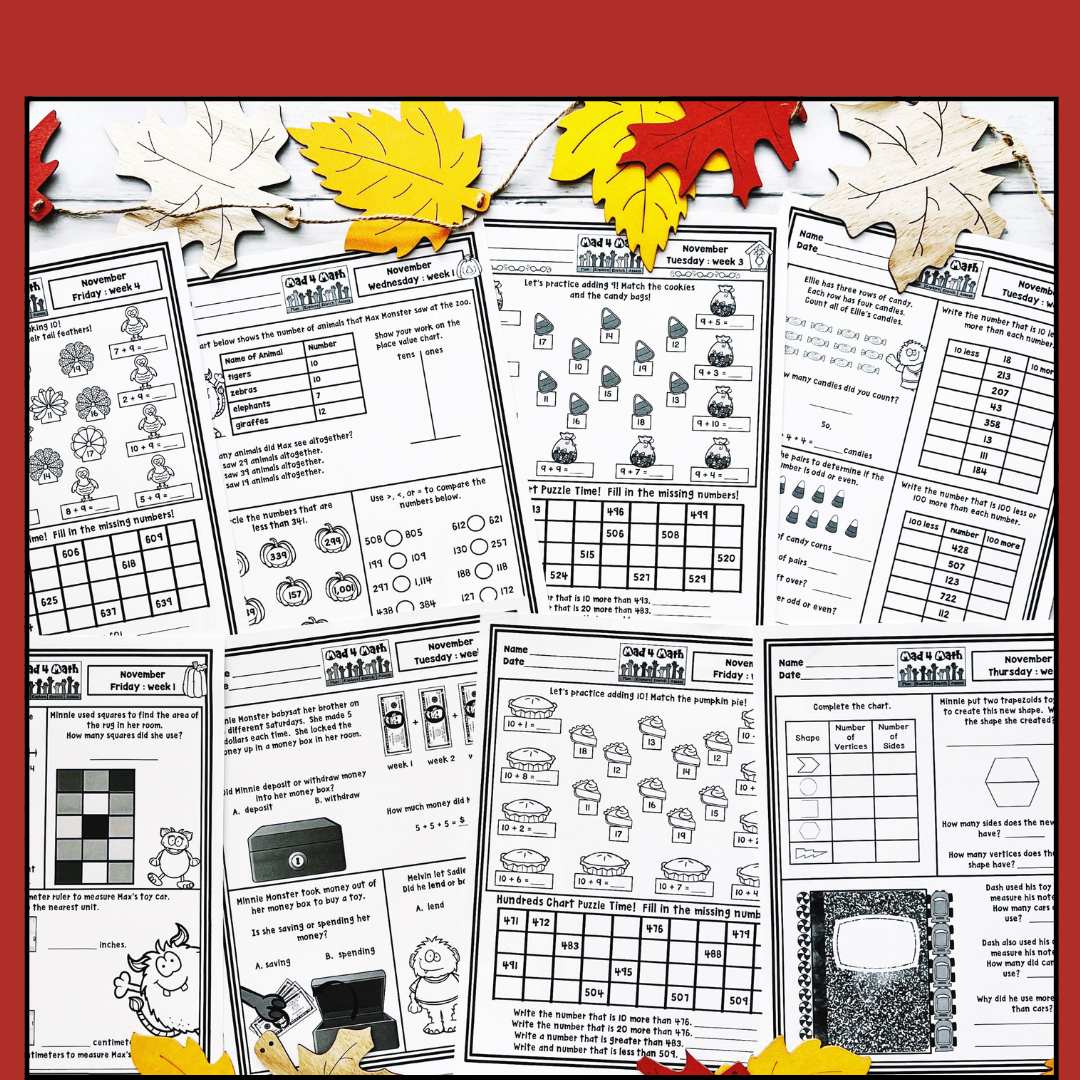
One of the most effective daily math routines you can start right away is a spiral review. Instead of reviewing one skill for an entire week, spiral review mixes previously taught concepts into one short practice page.
During the first week of school, include review skills such as:
- Counting forward and backward
- Identifying numbers to 120 (or beyond)
- Place value review
- Comparing numbers
- Simple addition facts
- Skip counting
- Identifying coins
- Counting with Base Ten Blocks
- Basic geometry vocabulary
This daily review gives you a clear picture of what students remember from first grade while gently introducing beginning of the year second grade expectations.
Teacher Tip: Keep the spiral review to 15 minutes. The goal is consistent practice, not a lengthy worksheet assignment.
2. Include Number Talks in Your Daily Math Routines

Number talks are one of the easiest ways to encourage mathematical thinking, and they also allow you to understand more about how your students problem solve.
Display a simple problem such as: 26 + 11 = ?
Instead of asking for one correct answer immediately, encourage students to explain how they solved the problem. Add Number Talks into your daily math routines, and you will be surprised at how your students become more proficient at problem solving over the school year.
You might hear:
- “I counted up.”
- “I added 26 plus 10. Then I added 1 more.”
- “I added the ones and then the tens.”
Celebrating multiple strategies helps students see that math is about thinking and not just finding answers.
During the first week, keep Number Talks short (5-10 minutes) and focus on listening, sharing ideas, and using math vocabulary.
Your Number Talk can also be a time to introduce a “Problem of the Day.” You can tell a VERY short story like, “John came to school with 12 markers. His friend Jason gave him 4 more. How many markers does John have now?”

In my classroom, I had students use math journals or dry erase boards to solve the problem. Then, they held up their answers. This allowed me to see at a glance which students needed more practice with that skill. I encouraged them to think about why they used the strategy they used. I would ask questions like, “Why did you add the markers together? What words in the story helped you understand that you needed to add and not subtract?”
3. Practice Calendar Math with Purpose
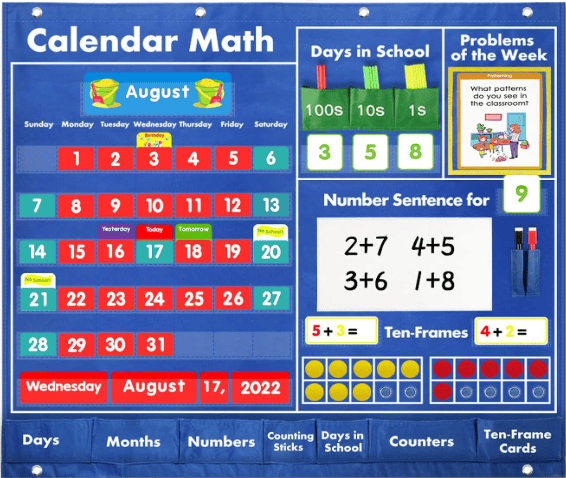
Calendar time can be one of your most important daily math routines. You can reinforce dozens of important second grade skills when it goes beyond identifying today’s date. A quick daily calendar review can be incorporated into your Math Wall Activities.
Consider reviewing:
- Place value
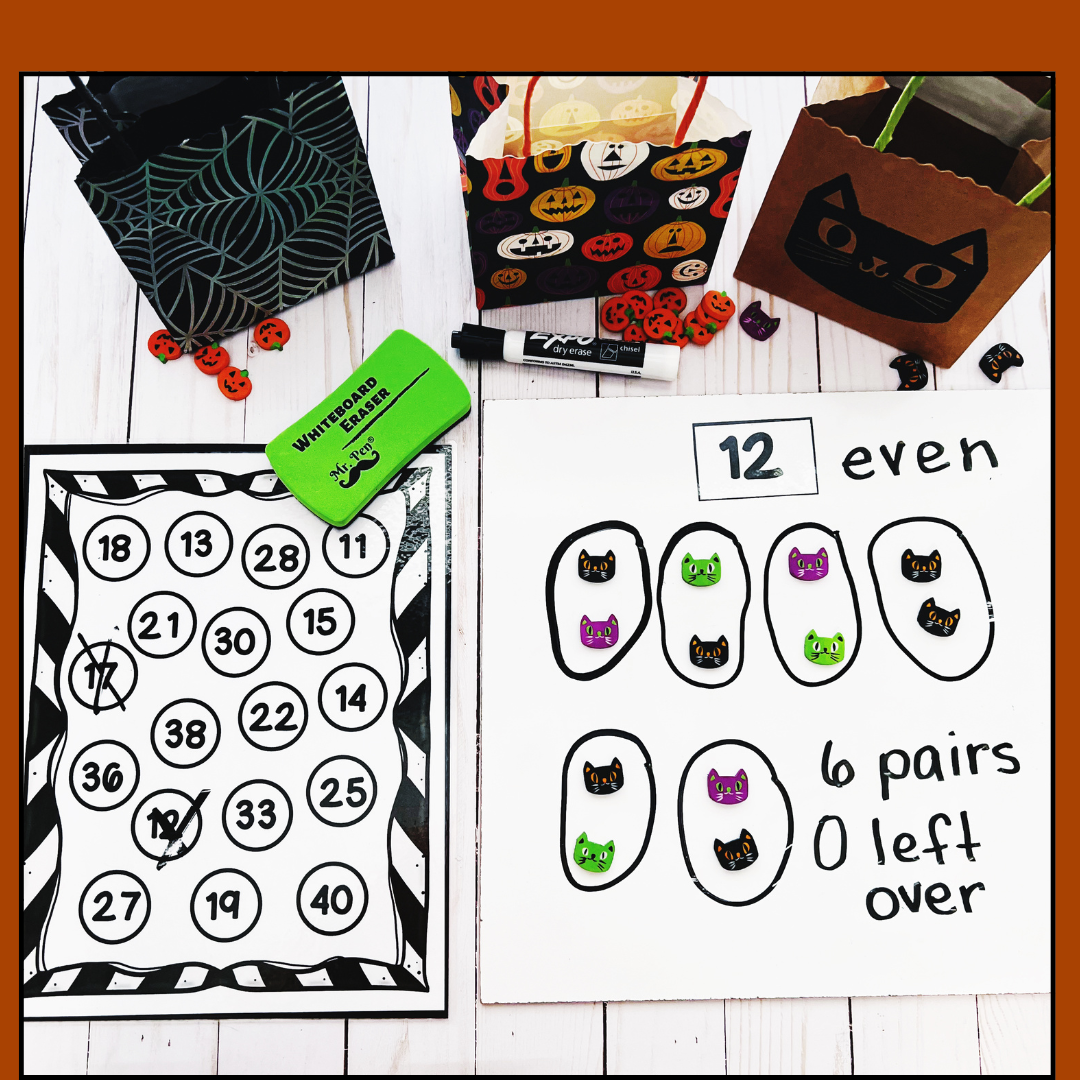
- Odd and even numbers
- Skip counting by 2s, 5s, and 10s
- Number patterns
- Money
- Time
- Addition and subtraction equations
- Days elapsed
These quick conversations build fluency without feeling repetitive.
4. Incorporate Math Manipulatives and Hands-On Learning Every Day

Young mathematicians need opportunities to see and touch mathematical concepts that they are reviewing or learning for the first time. Here are a few helpful math manipulatives to keep on hand throughout the school year:
- Base ten blocks
- Linking cubes
- Number lines
- Hundreds charts
- Ten frames
- Pattern blocks
- Counters
- Play money
- Geometric shapes
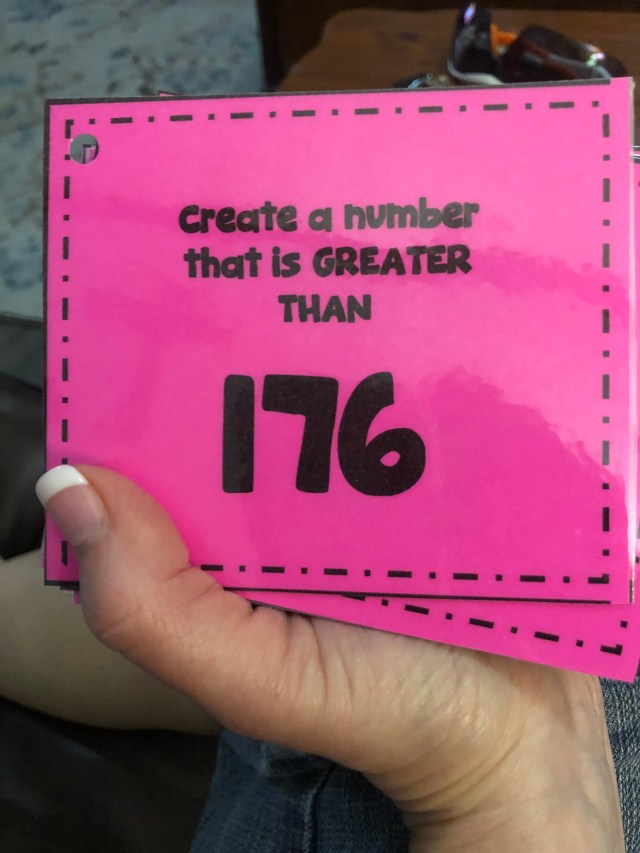
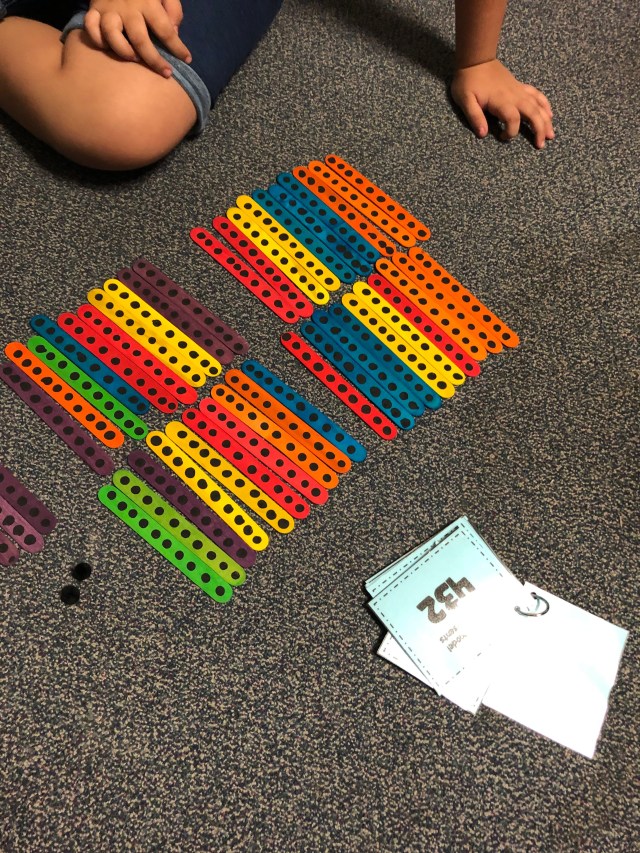
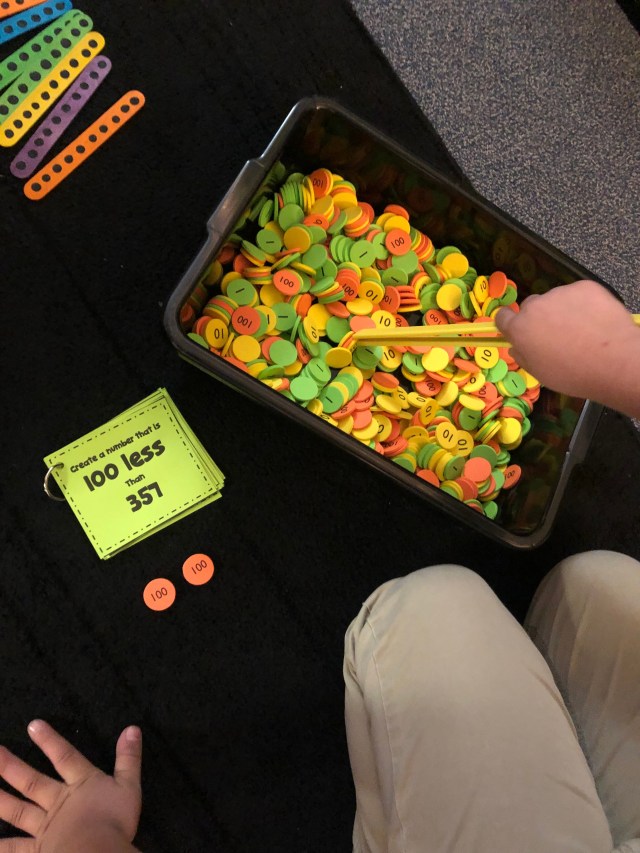
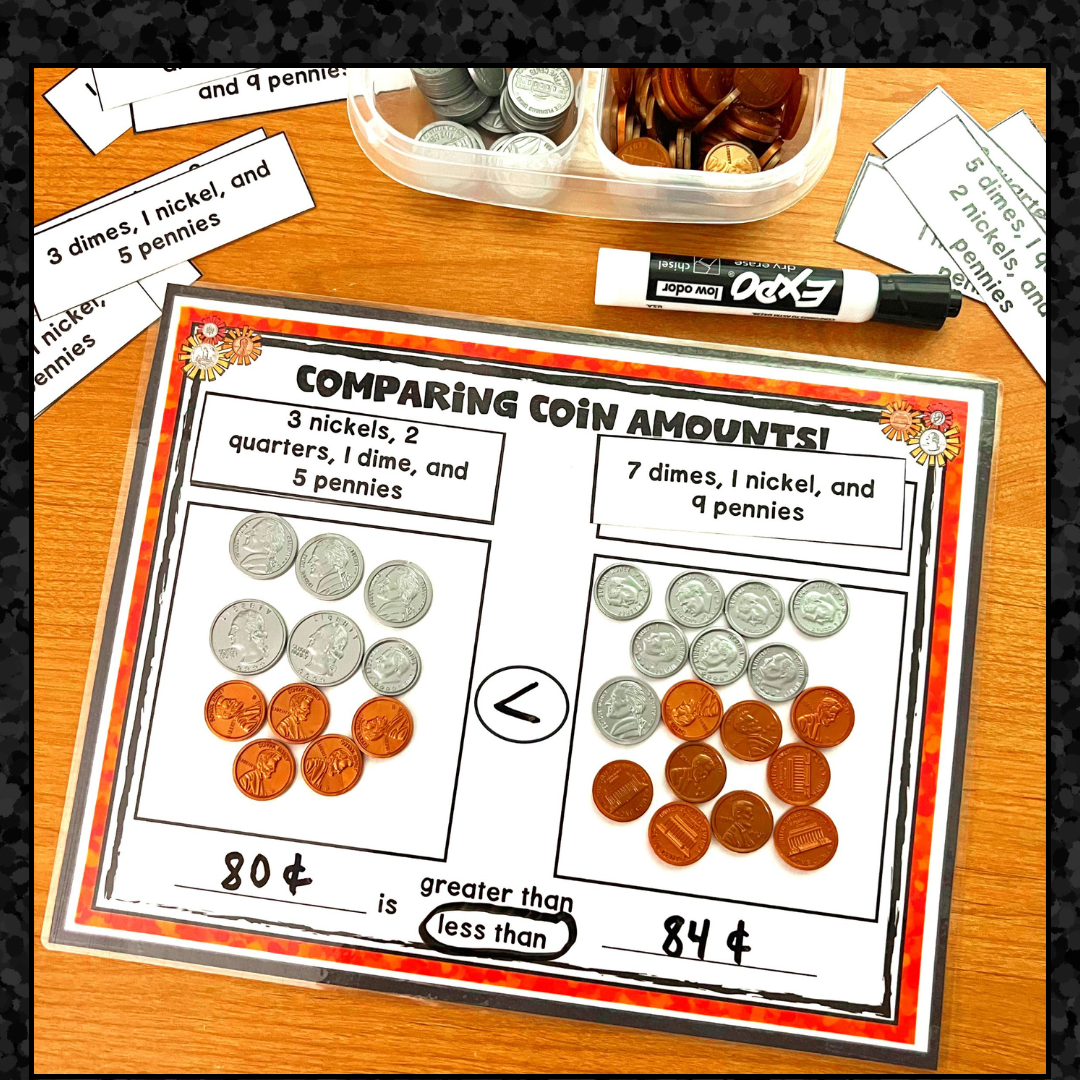
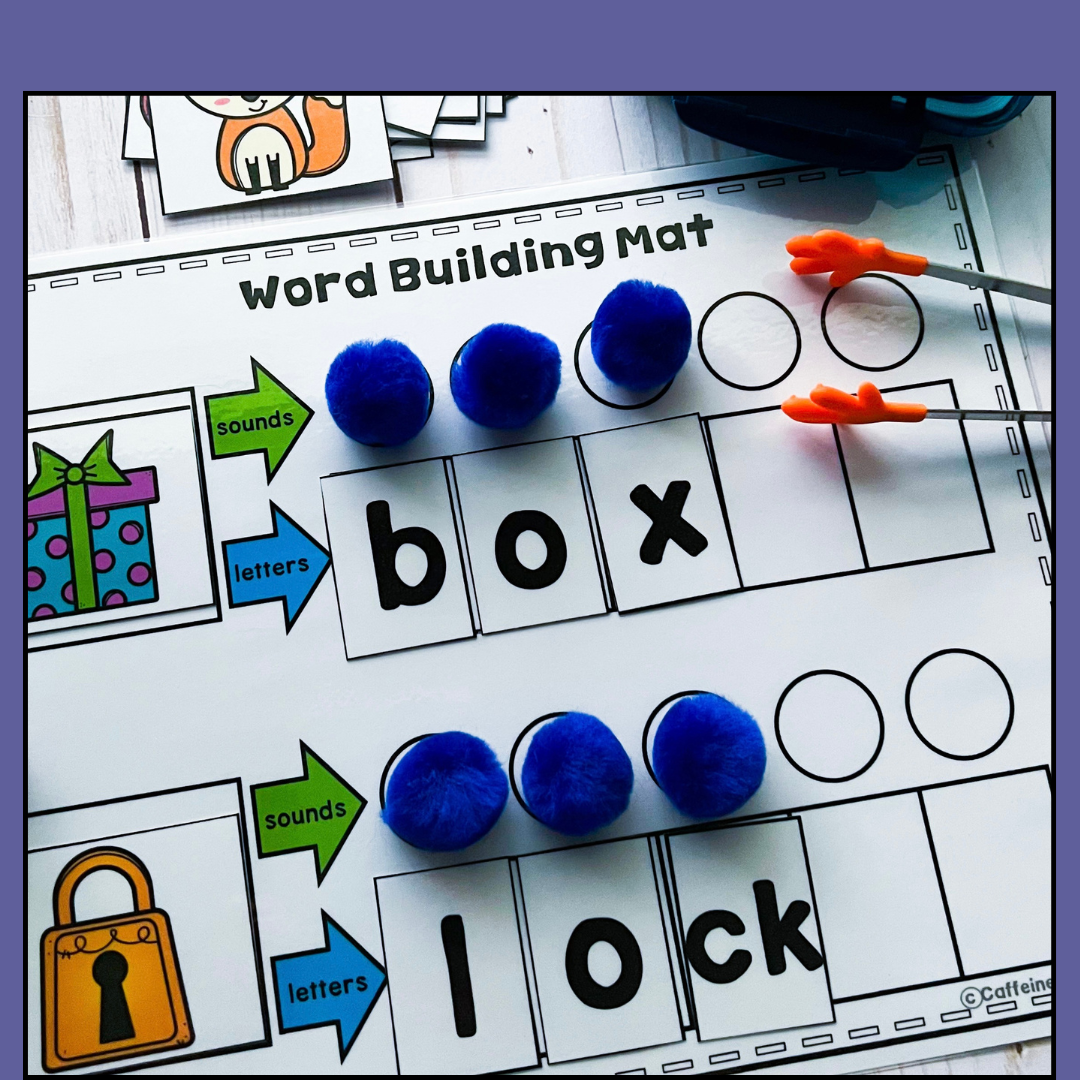
Once you have all these wonderful math manipulatives, math tub activities are a perfect place to start! I created differentiated task cards for all of my math tubs, and students LOVED to use them. Especially with a partner. These laminated the task cards and put them on rings. They were all leveled so students could begin practicing right where they were in their learning. I increased the difficulty level as the year progressed!

5. Build Math Vocabulary

Second graders are expected to explain their mathematical thinking, so introducing vocabulary early is essential.
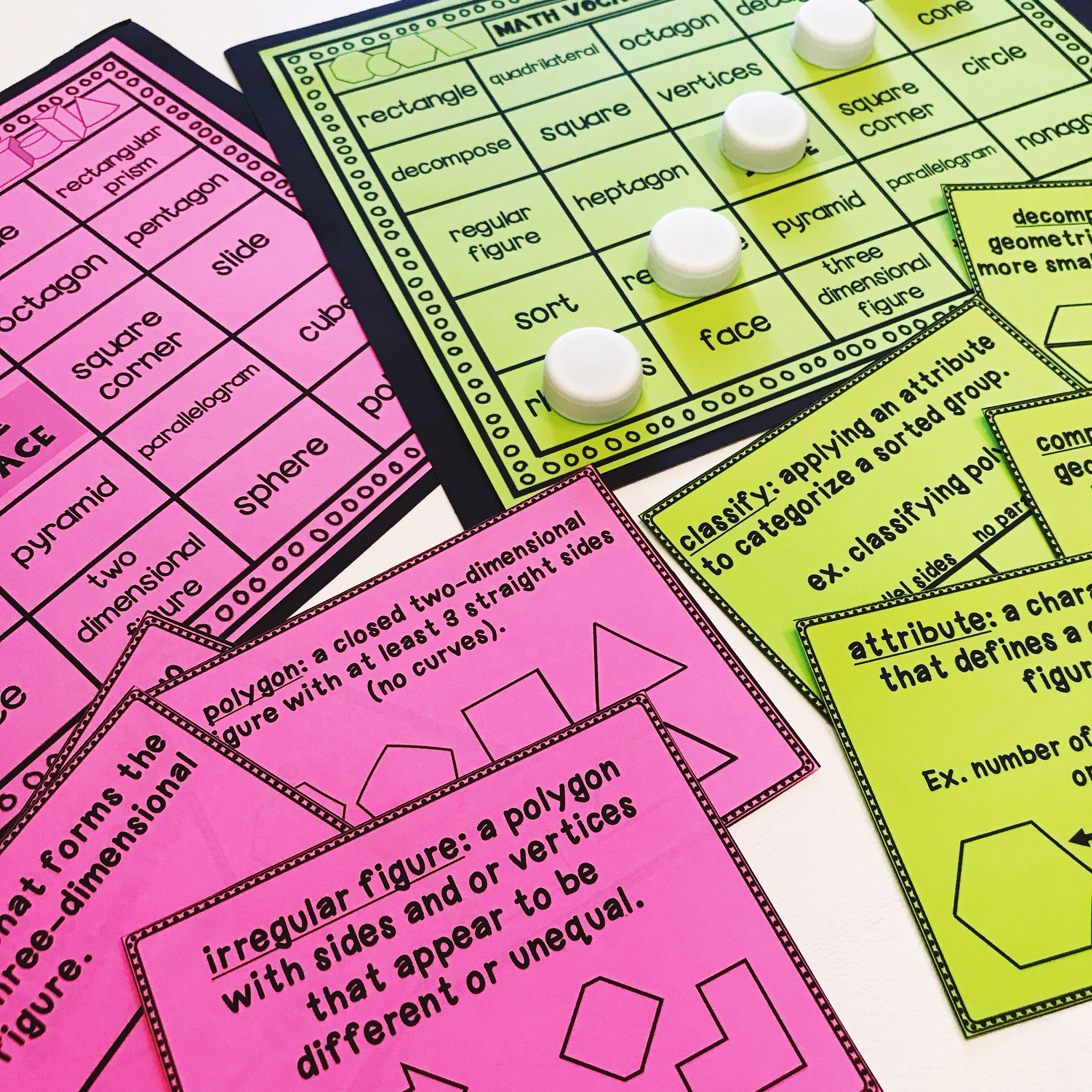
Create a classroom math word wall featuring items like:
- Greater than
- Less than
- Equal
- Digit
- Numeral
- Value
- Standard form
- Expanded form
- Word form
- Compose
- Decompose
- Sum
- Difference
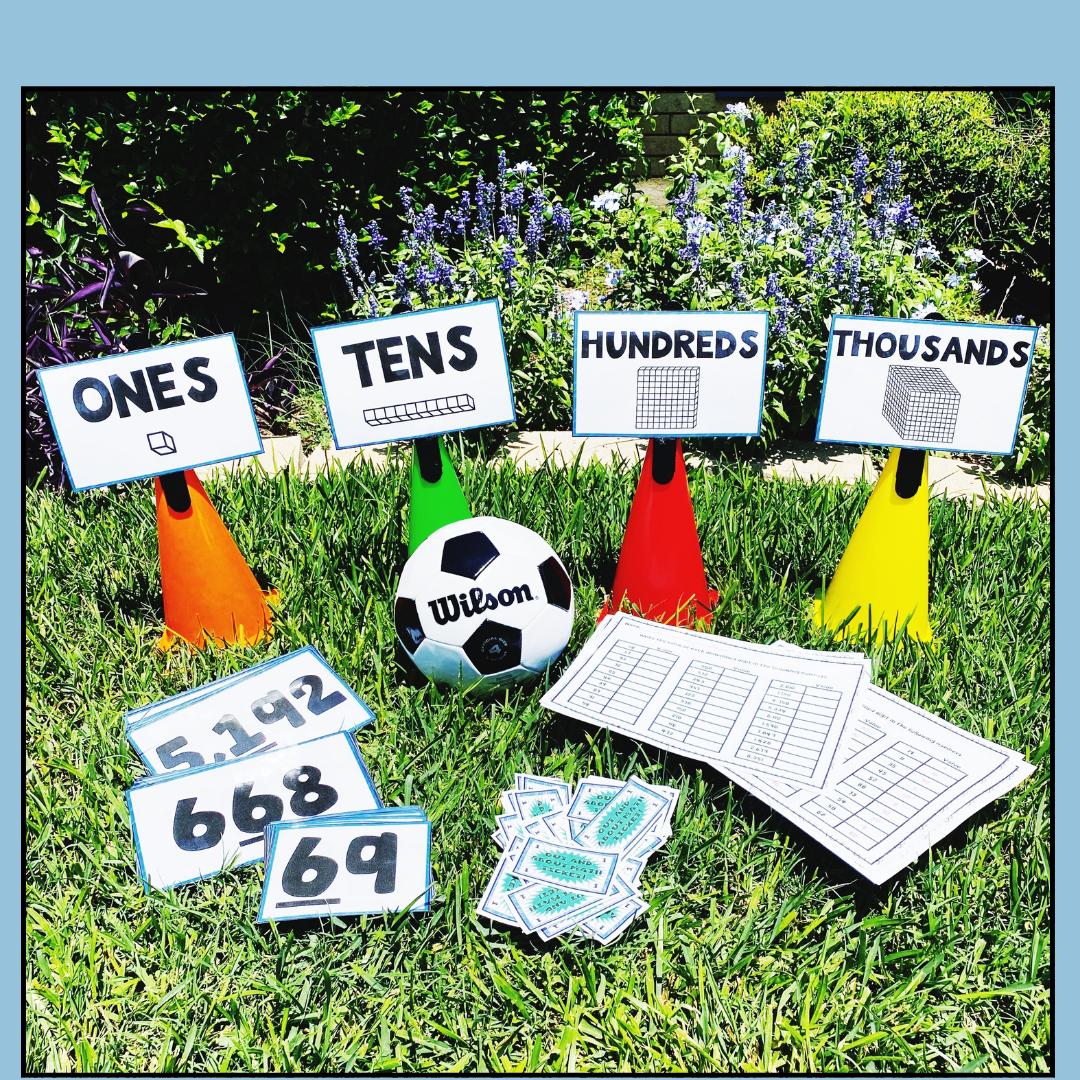
- Hundreds
- Tens
- Ones
Encourage students to use these words during discussion throughout the day.
For example: As you point to the math poster above, you can say, “Numeral means number. The numeral 421 has three digits: four, two, and one. The 4 is in the hundreds place, the 2 is in the tens place, and the 1 is in the ones place”. As the year progresses, you can have a student assist you with review activities you have set up on your Math Wall.
I have set up many 2nd grade classrooms over the years. And yes, family members were roped into the process as well. I love them dearly for their eagerness to help. I have included a few examples of some of my Interactive Math Wall set ups. I am sad that I didn’t take more pictures over the years of my ever changing Math Walls.

Our Interactive Math Wall was everchanging. We added new skills and reviewed foundational skills every day! I always started off the year modeling expectations during our Math Wall time and the “Math Wall Helper” became a part of our weekly student job assignments.

This was one of my Math Wall set ups as COVID was winding down. The students were not allowed to sit in groups during this time which was my usual desk set up. I generally had students in groups of 3 or 4. Also, in this picture you can see that I was unable to create a group seating area on the floor next to our Math Wall. Because of these limitations, I made sure my vocabulary posters and examples were as large as possible.

I tried to make our Interactive Math Wall fun and engaging. Students loved to be a part of this daily review time. I added lights (actually my husband did) around the area during the holidays. Students were able to move closer to the wall when they needed to reference skills on it during math time. I had clip boards they could put their work on if they wanted to sit on the floor next to the Math Wall. I also made vocabulary cards, work mats, and examples that I laminated for extra support.

6. End with a Quick Exit Ticket or a Short Assessment Sheet

Either one of these provide valuable information before students leave the math block. Have students complete them on their own, and make sure to look over these before your next math block. These quick assessments help you know what skills need more practice the next day.
Some samples of exit tickets at the beginning of the year may include:
- Write the number that is 10 more than 43.
- Count the base ten blocks in the picture and write the number
- Circle the greater number
- Solve 18 + 7
- Count these coins and write the amount
- Write the expanded form of the number 93
- Draw base ten blocks to show 62.
7. Incorporate Math Games Into Your Daily Math Routines

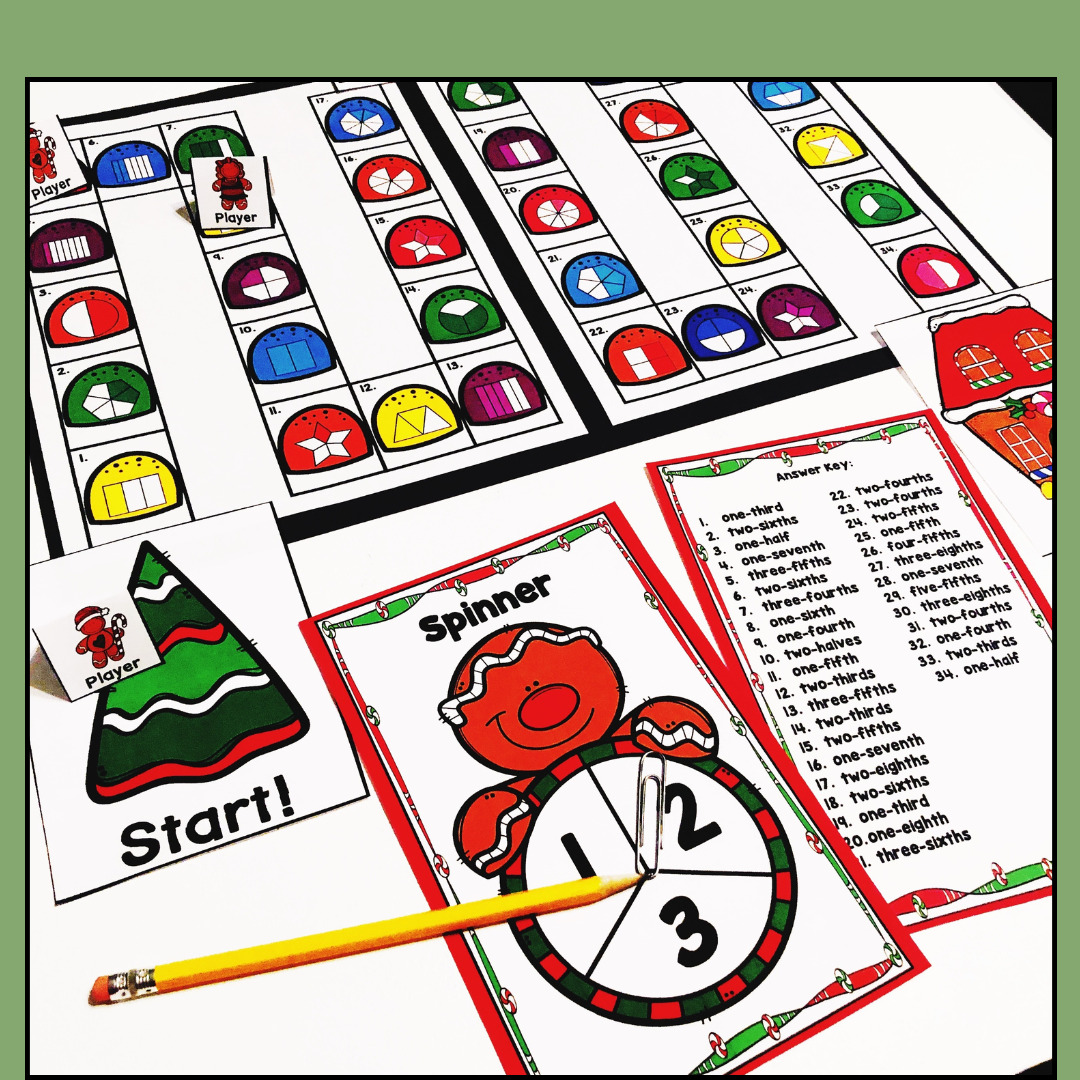
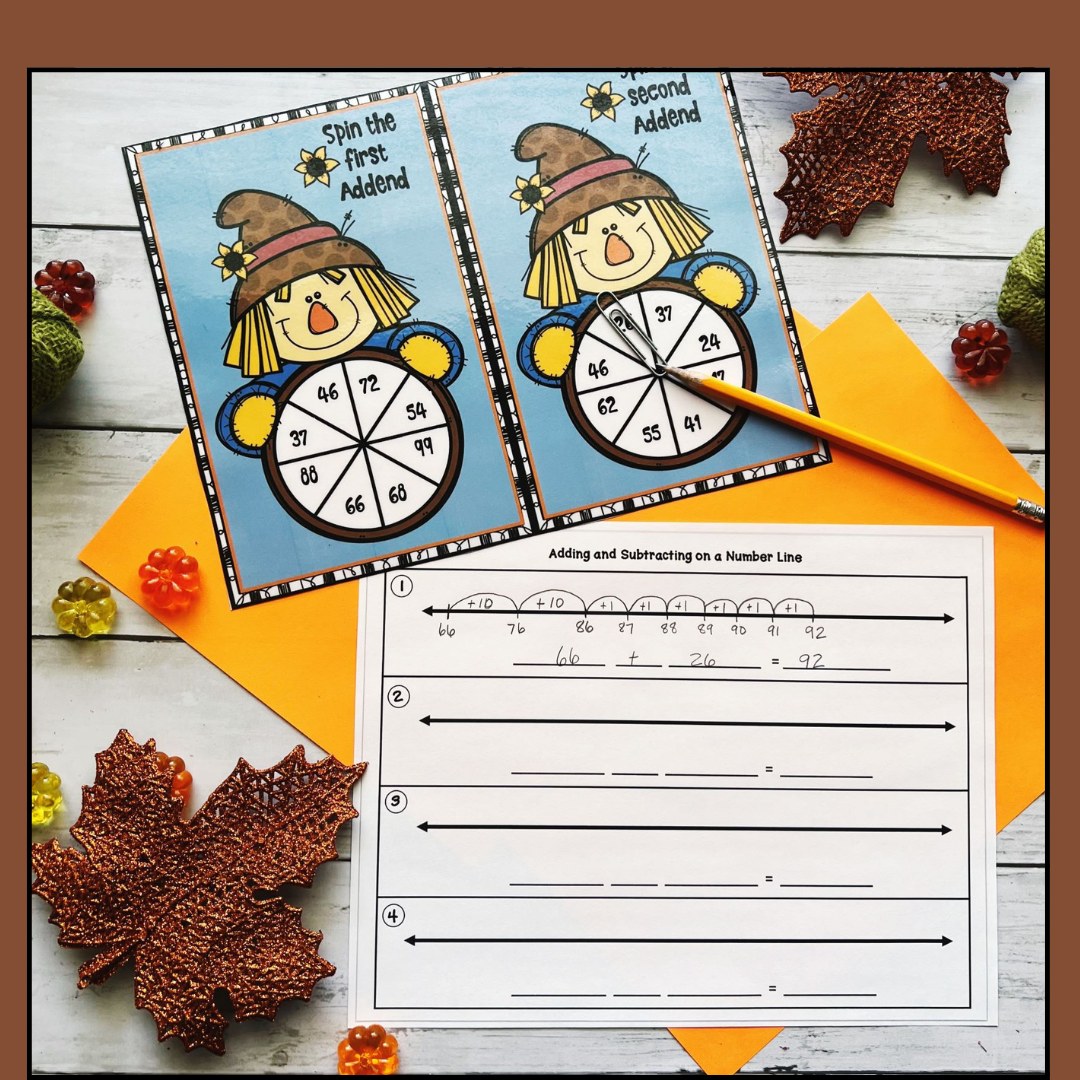
Learning should be active…2nd graders love to learn by doing. And though it’s true… they have to take math assessments on paper or on the computer… they really need to be engaged in hands-on learning activities that solidify that skill into their brain first. And the hands-on activities do not have to be time consuming to create. This simple spinner game was one of the most pupular games in my classroom. It really helped my students learn to use an open number line as a tool to help them solve addition and subtraction problems.


Common Mistakes to Avoid When Creating Your Daily Math Routines
It’s tempting to jump into your first unit immediately, but slowing down during the first week often leads to greater success later.
Avoid these common mistakes:
- Teaching too many new procedures at once
- Skipping number sense activities
- Spending too much time on worksheets
- Waiting too long to assess prior knowledgs
- Introducing centers before students understand expectations
- Not modeling math discussions
Investing time in creating daily math routines now will save instructional time throughout the year.
A No-Prep Daily Math Review is an Essential Part of Your Daily Math Routines
If you’re looking for a simple way to establish consistent math practice from the very first day of school, my 2nd Grade Math Spiral Review bundle was created with busy teachers in mind.
Each daily page provides meaningful review of previously taught skills while gradually introducing second-grade concepts. The activities align with Texas TEKS and Common Core Math Skills. The reviews cover all of the major math standards students need to master throughout the year.

The bundle includes:
- Daily spiral review pages
- Building and representing numbers
- Comparing and ordering numbers
- Number sense practice
- Place value review
- Addition and subtraction skills
- Money practice
- Geometry review
- Hundreds chart practice
- Fact fluency
- Data and graphing
- Telling time
- Fractions
- Word problem practice
- Financial literacy skills
Because students follow the same routine each day, they quickly become more independent, allowing you to spend more time working with small groups and supporting individual learners.
Final Thoughts
The first week of school sets the tone for the entire year. By establishing predictable daily math routines, you’ll build confident mathematicians who are ready to think critically, solve problems, and explain their reasoning.
Remember, the goal isn’t to cover as much content as possible during the first week. It’s to create routines that make meaningful math learning happen every single day.
Once those daily math routines are in place, introducing new concepts becomes much easier, and your students will be ready for the exciting second-grade math journey ahead!


















0