Table of Contents
March is the perfect time to reinforce essential second grade math skills before the end of the year testing push. By this point, students have been exposed to many grade-level standards, but they still need consistent, spiral review to build confidence and mastery.
Below are simple, effective March math review activities that can be used for morning work, math centers, homework, or independent practice, without a lot of extra prep on your plate.
1. Daily Spiral Math Review

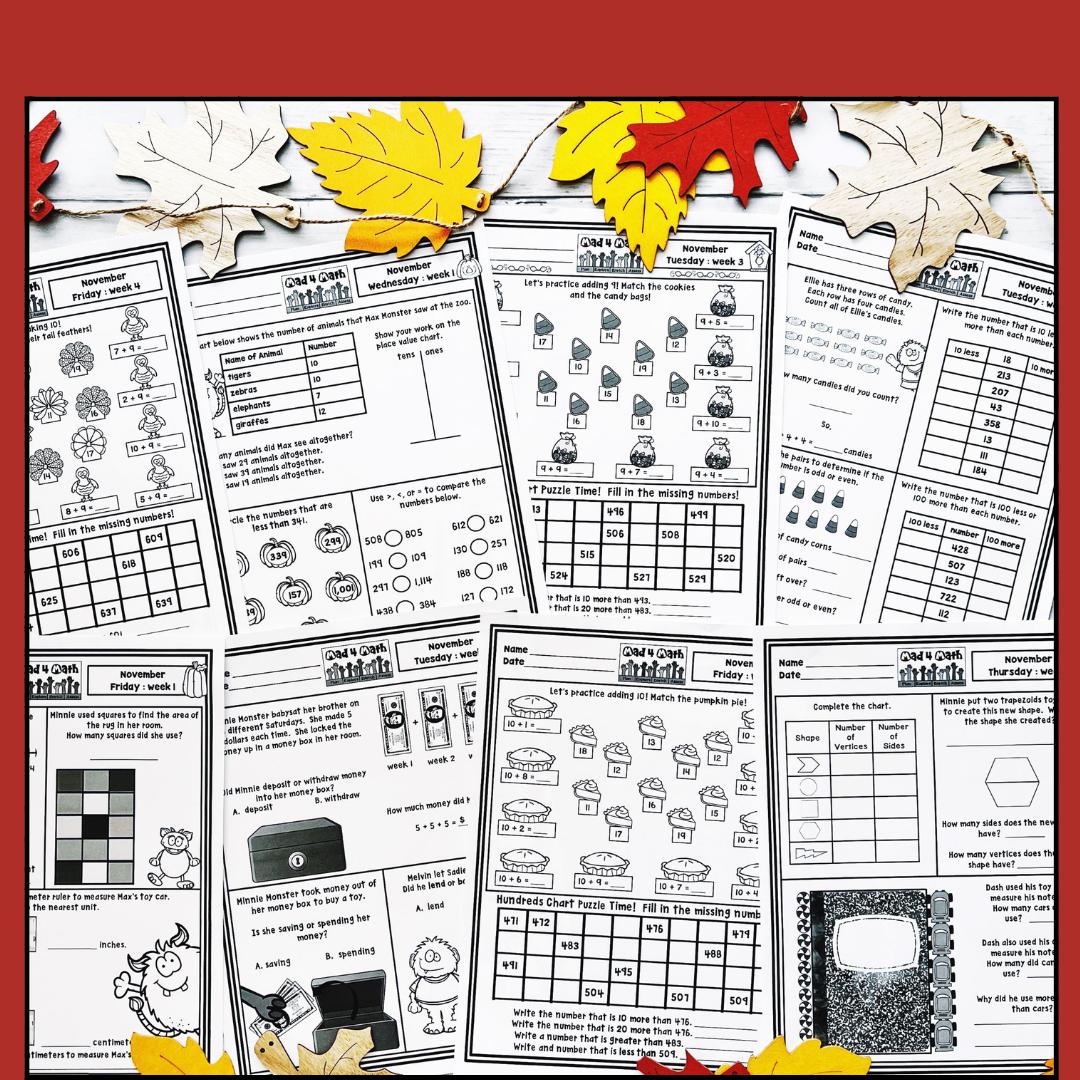
One of the best ways to prevent skill loss is with daily spiral review. A short, consistent worksheet each day keeps skills fresh and helps students retain what they’ve learned all year.
A strong daily review should include:
- Number sense practice
- Addition and subtraction review
- Money, time, and measurement skills
- Geometry and data questions
No-prep daily math review pages are especially helpful in March when teachers are juggling testing prep, conferences, and spring events.
2. Building, Representing, Comparing, and Ordering Numbers

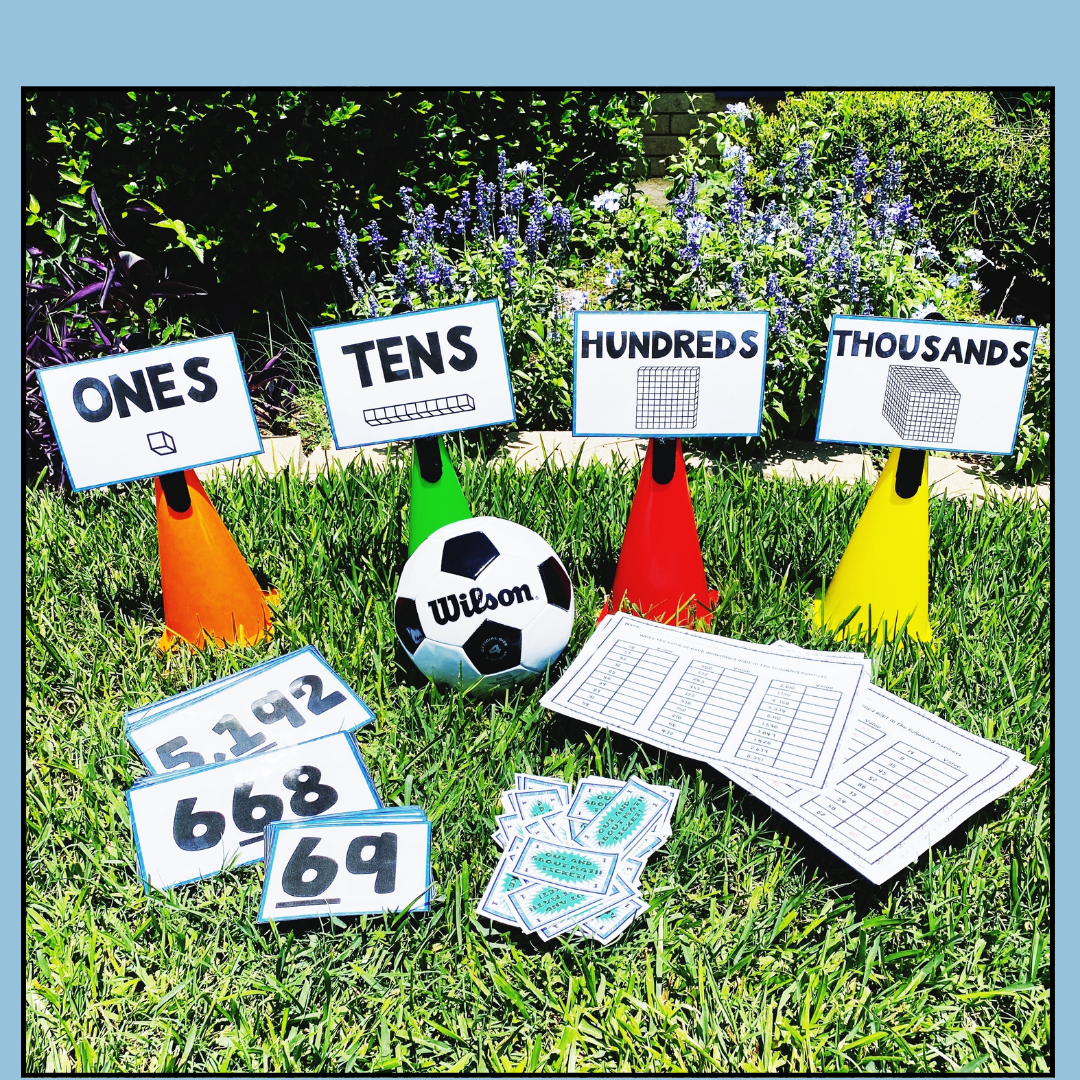
March is a great time to revisit place value and number sense with activities such as:
- Creating numbers using base-ten models or pictorial representations
- Writing numbers in standard and expanded form
- Comparing whole numbers using greater than, less than, and equal to
- generating a number greater than or less than a given number

These quick review activities strengthen foundational number understanding before students move to more complex operations.
3. Addition and Subtraction Practice

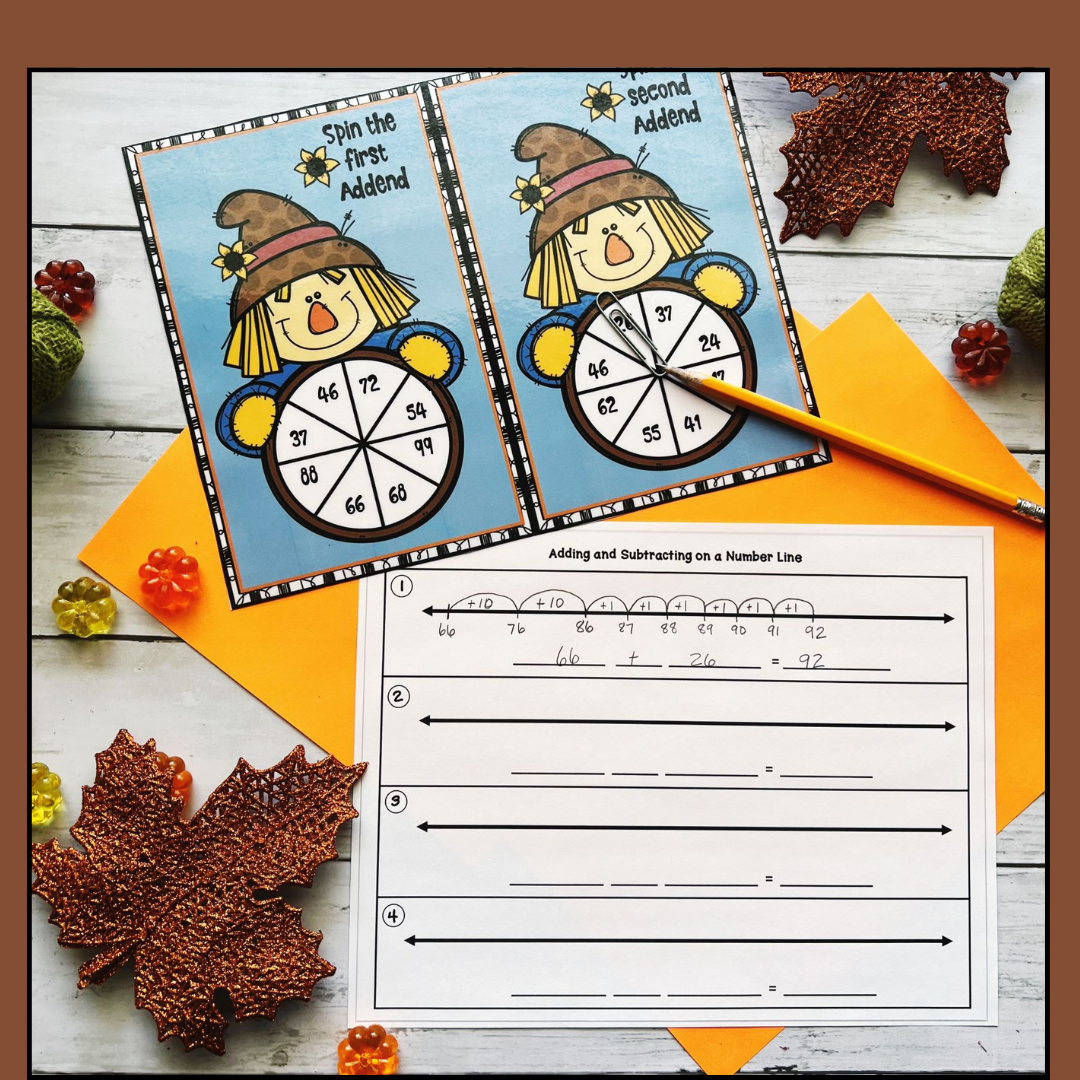
Second graders need plenty of practice adding and subtracting by composing and decomposing numbers. Review activities can include:
- Counting on
- Counting back
- Adding within 20
- Jumping friendly numbers
- Composing ten with different digits
- Finding the sum of a multiple of ten and a one-digit number
You can read more about different number line strategies for addition and subtraction HERE.
Reviewing addition and subtraction facts daily with fun, no-prep worksheets helps students build math fact fluency without extra planning.

4. Money and Coin Identification Review

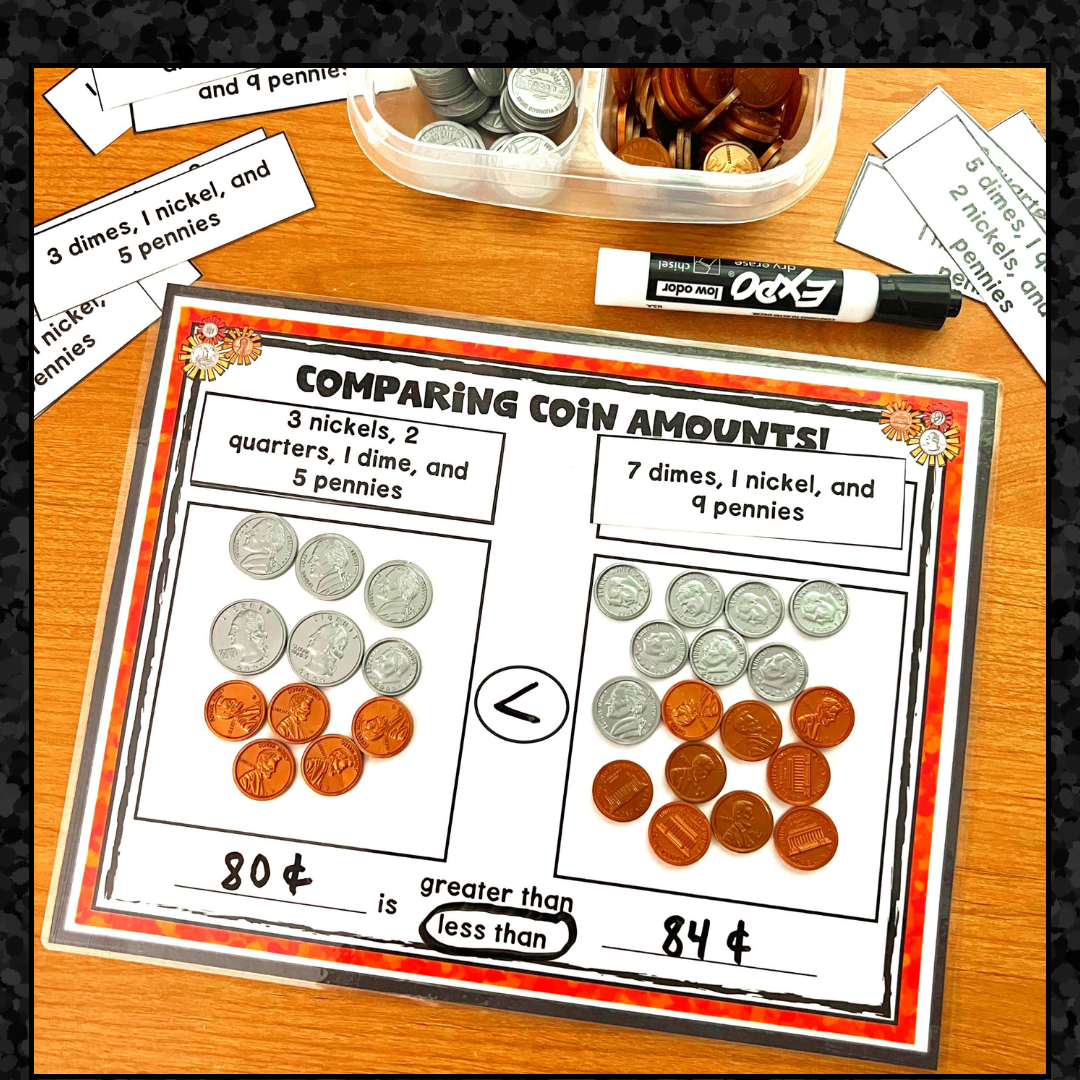
March is an ideal time to spiral review money skills befor the end of the year. Students can practice:
- Identifying pennies, nickels, dimes, quarters, and half dollars
- Determining the value of a collection of coins up to a dollar
- Understanding the relationship among coins and their values
- Exploring different ways to create an amount using a variety of coins
- Practicing writing money amounts 3 different ways
These real-world skills are perfect for morning work or quick centers.
Click here to read more about counting coin activities.
5. Counting, Skip Counting, and Number Sequences

Second graders need to be confident counting forward and backward. They also need to be confident skip counting. Fun review activities include:
- Reciting numbers forward and backward
- Skip counting by twos, threes, fours, fives, tens, etc.
- Completing missing number sequences
- Identifying number patterns they see on hundreds charts up to 1,200
A hundreds chart practice section built into daily review pages makes this easy and consistent.
6. Understanding the Equal Sign and Number Relationships

Students often think the equal sign means “the answer goes here,” so March is a great time to revisit:
- Understanding the equal sign as a balance or relationship
- Solving equations where both sides are equal
Short daily practice helps students build algebraic thinking skills early.
7. Geometry Review: 2D and 3D Shapes

Keep geometry fresh with activities that review:
- Identifying two-dimensional shapes
- Identifying three-dimensional shapes
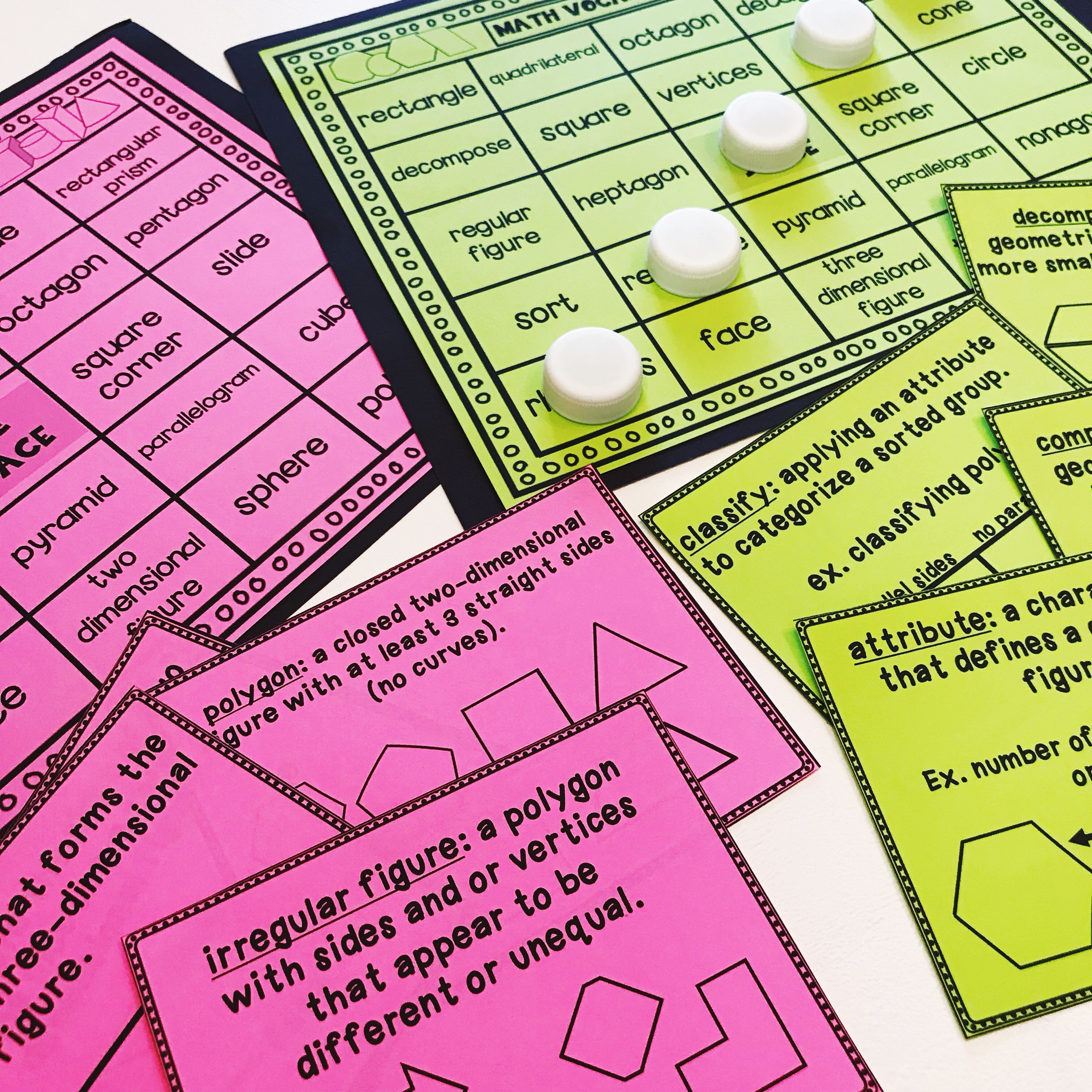
- Classifying and sorting reguilar and irregular shapes based on attributes
These concepts are perfect for quick daily warm-ups or exit tickets.
8. Measurement and Time Review

Spiral practice should include:
- Measuring objects using appropriate tools
- Telling time to the hour, half hour, quarter hour, to 5 minutes, and to the minute.
- Hands on practice with clocks and dry-erase clock models

These skills often need repeated practice throughout the year to stick. Easy prep hands-on review activities combine wonderfully with daily spiral math review!
9. Data and Graphing Practice

Simple bar graphs and pictographs are great for daily review. Students can:
- Answer questions based on data
- Draw conclusions from graphs
- Create graphs from information given
These questions build critical thinking and real-world math connections.
10. No-Prep Math Review for Busy Teachers

During my years teaching second grade, I realized how hard it was to find one resource that covered everything–daily skills, math facts, and hundreds chart practice that spiraled in difficulty throughout the school year. I often had to pull from multiple resources just to create a complete routine.
That’s why I created a HUGE March Math Review set that:
- Covers 2nd grade TEKS and Common Core skills
- Includes daily review worksheets with bonus math fact practice
- Includes hundreds chart practice buile in
- Works for morning work, homework, centers, or sub plans
- Requires zero prep–just print and go
It’s also part of a time and money-saving bundle, so you can have daily spiral math review ready for the entire school year.

Why Daily Math Review Matters in March

By March, students need consistent reinforcement to maintain skills and prepare for third grade. A structured daily review routine:
- Builds confidence
- Prevents skill regression
- Saves teachers planning time
- Provides ongoing assessment data
With everything in one resource, you can focus on teaching, not prepping.
Enjoy using these March math review activities with your sudents,
and HAPPY LEARNING!















0