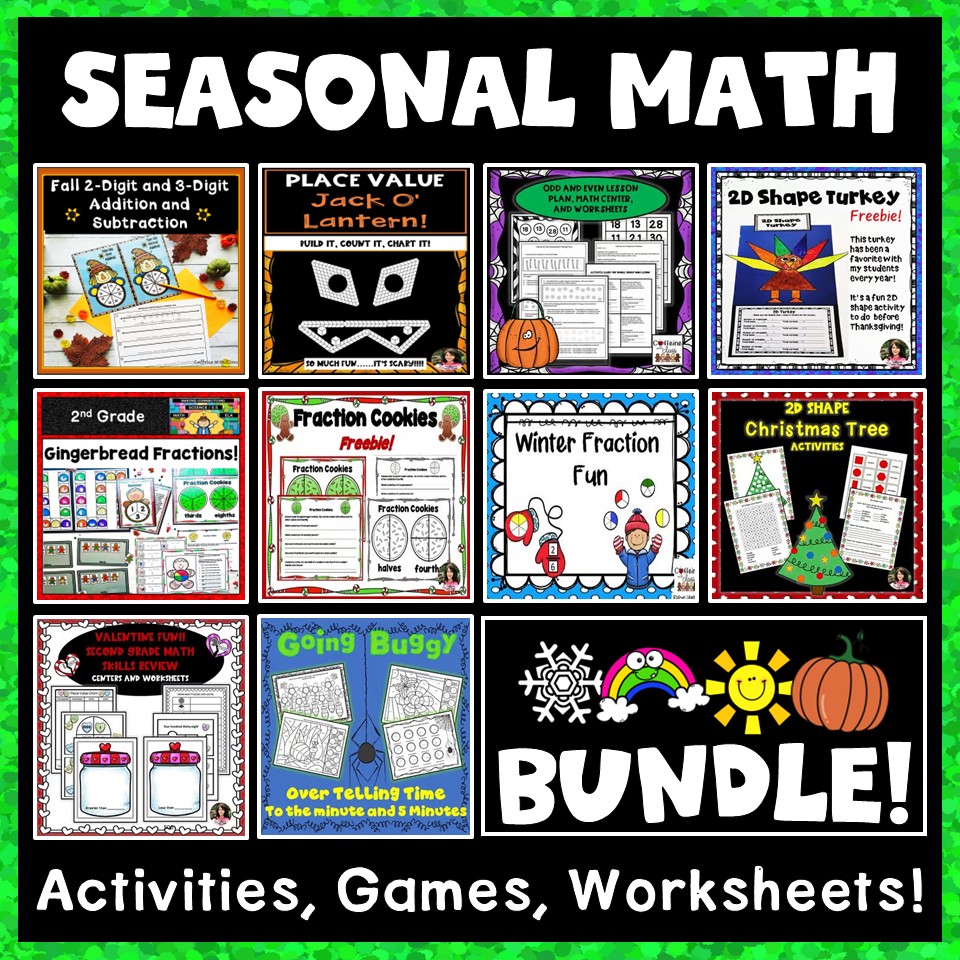
If you’ve ever watched your students’ eyes light up when they see pumpkins, gingerbread men, or snowflakes on their math activities–you already know the magic of seasonal math activities. But these festive lessons aren’t just cute or fun. They play a powerful role in keeping students engaged, reinforcing important skills, and helping math feel meaningful all year long.
Let’s take a closer look at why seasonal math activites deserve a permament spot in your classroom routine!
Table of Contents
1. Seasonal Math Activities Boost Engagement

We all know how hard it can be to keep students focused, especially when excitement for upcoming holidays or weather changes starts to take over the classroom. Seasonal math activities help you lean into that excitement instead of fighting it!
When math problems are wrapped in a theme your students already love, it captures their attention and motivates them to participate.
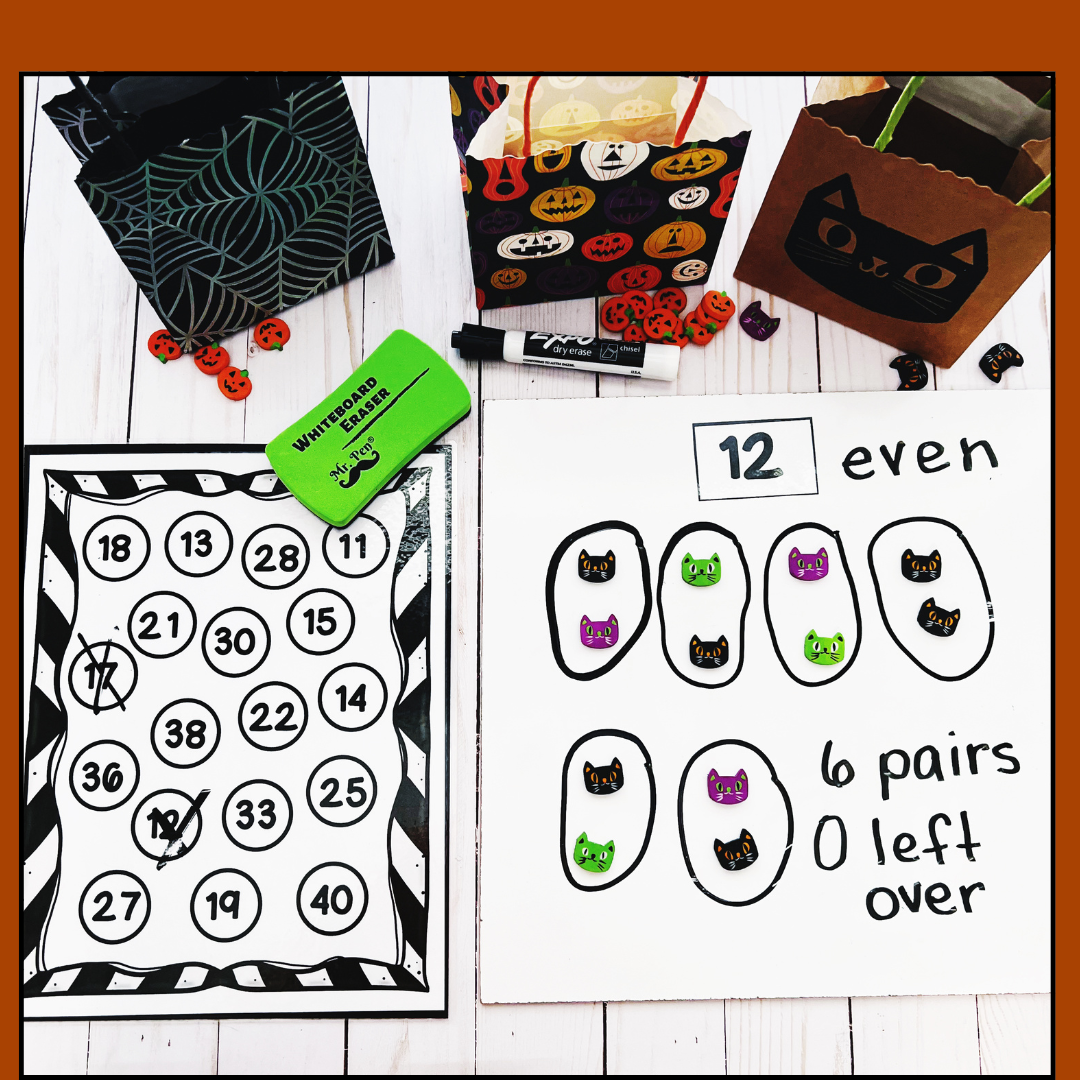
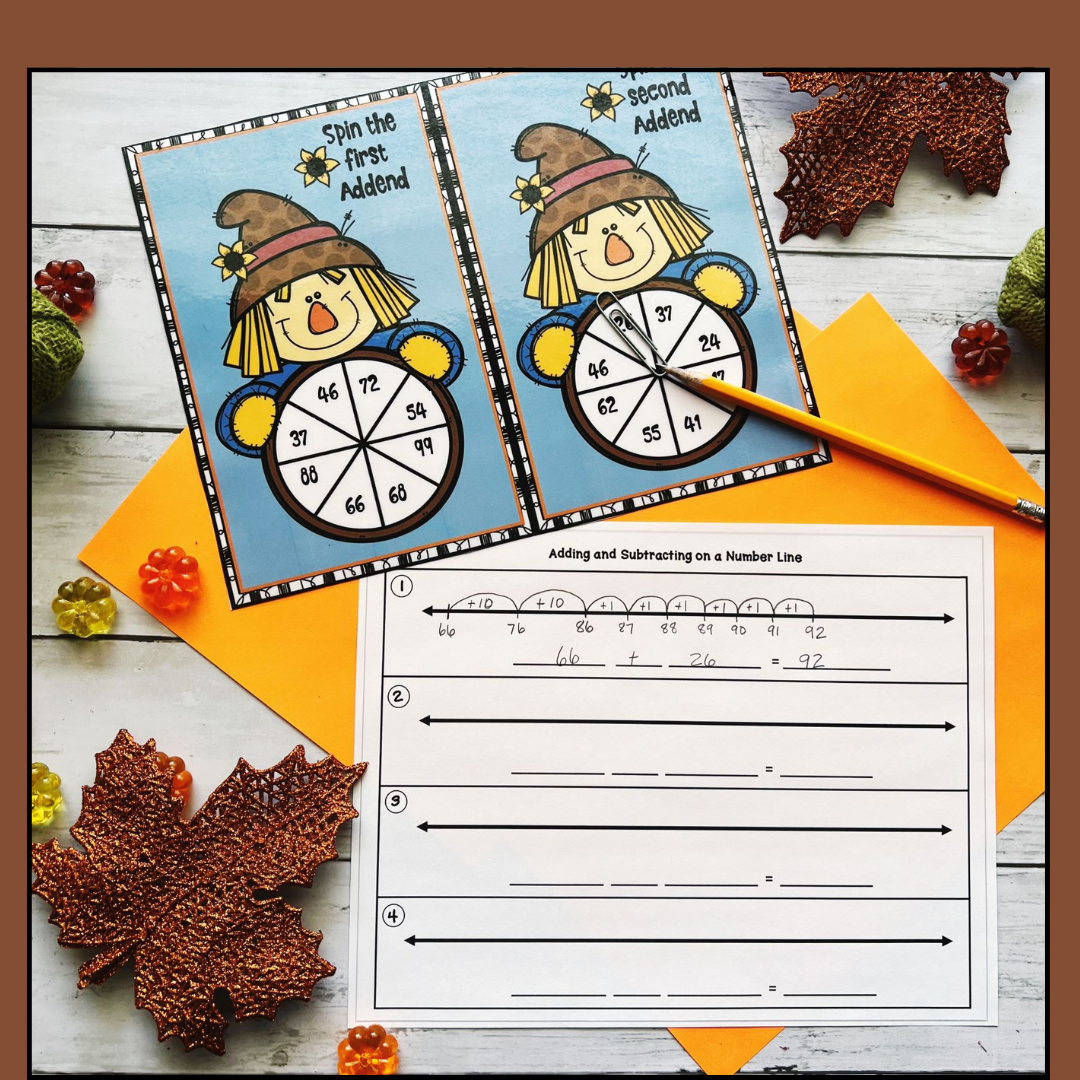
- In the fall, a “Place Value Jack O’ Lantern” turns ordinary numbers into something exciting.
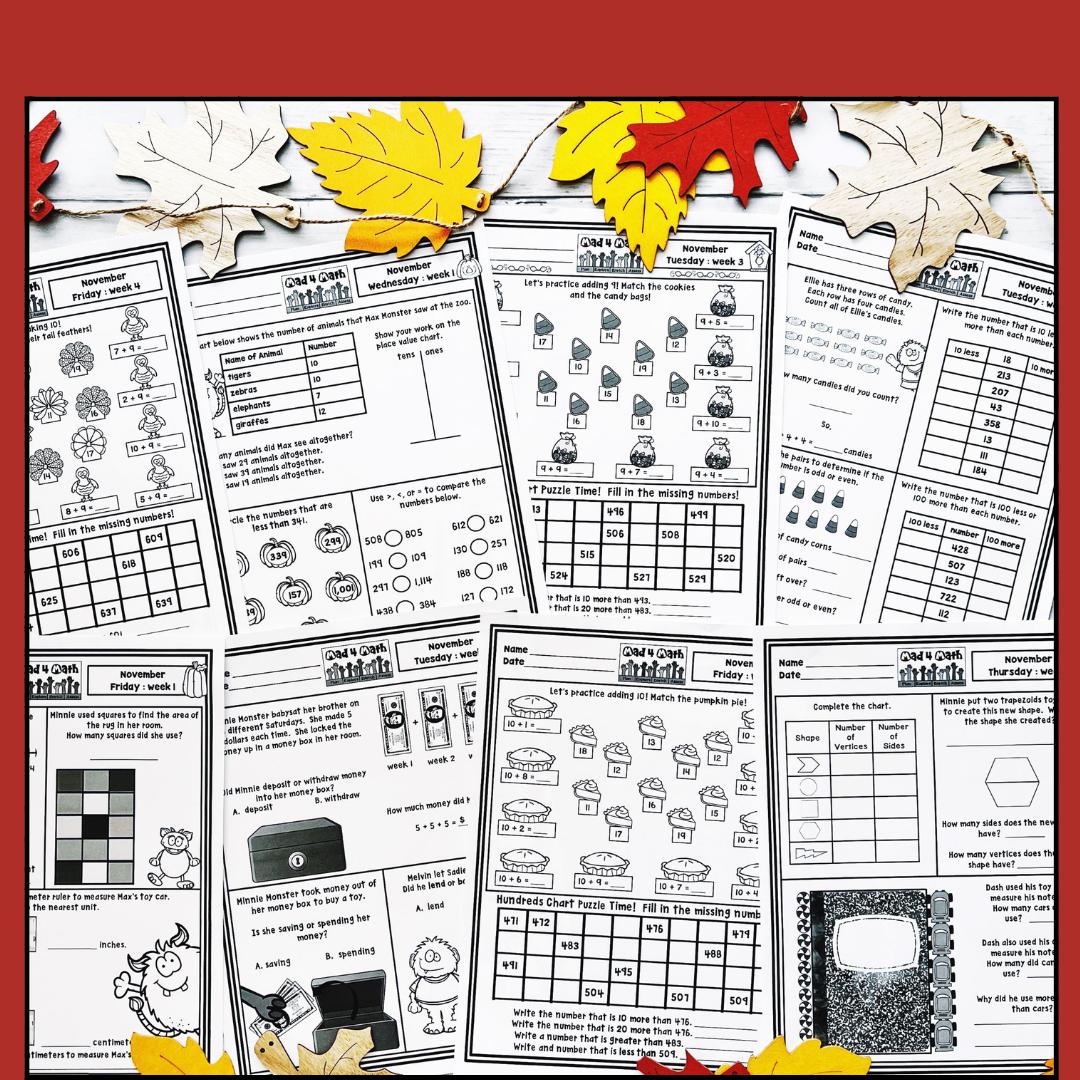
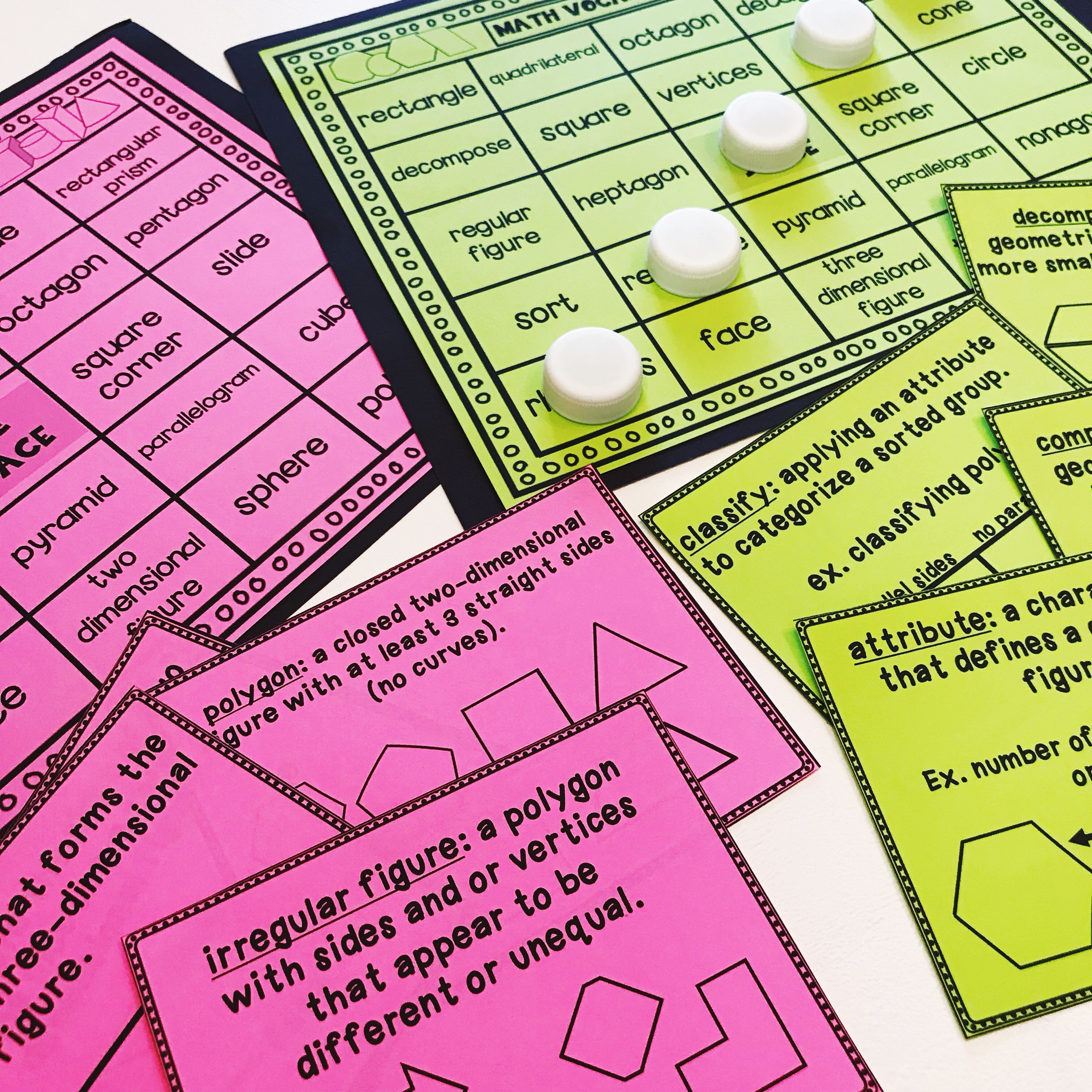
- At Thanksgiving, creating a “2D Shape Turkey” has students using their creative energy to review the types of 2D shapes as well as count their sides and vertices.
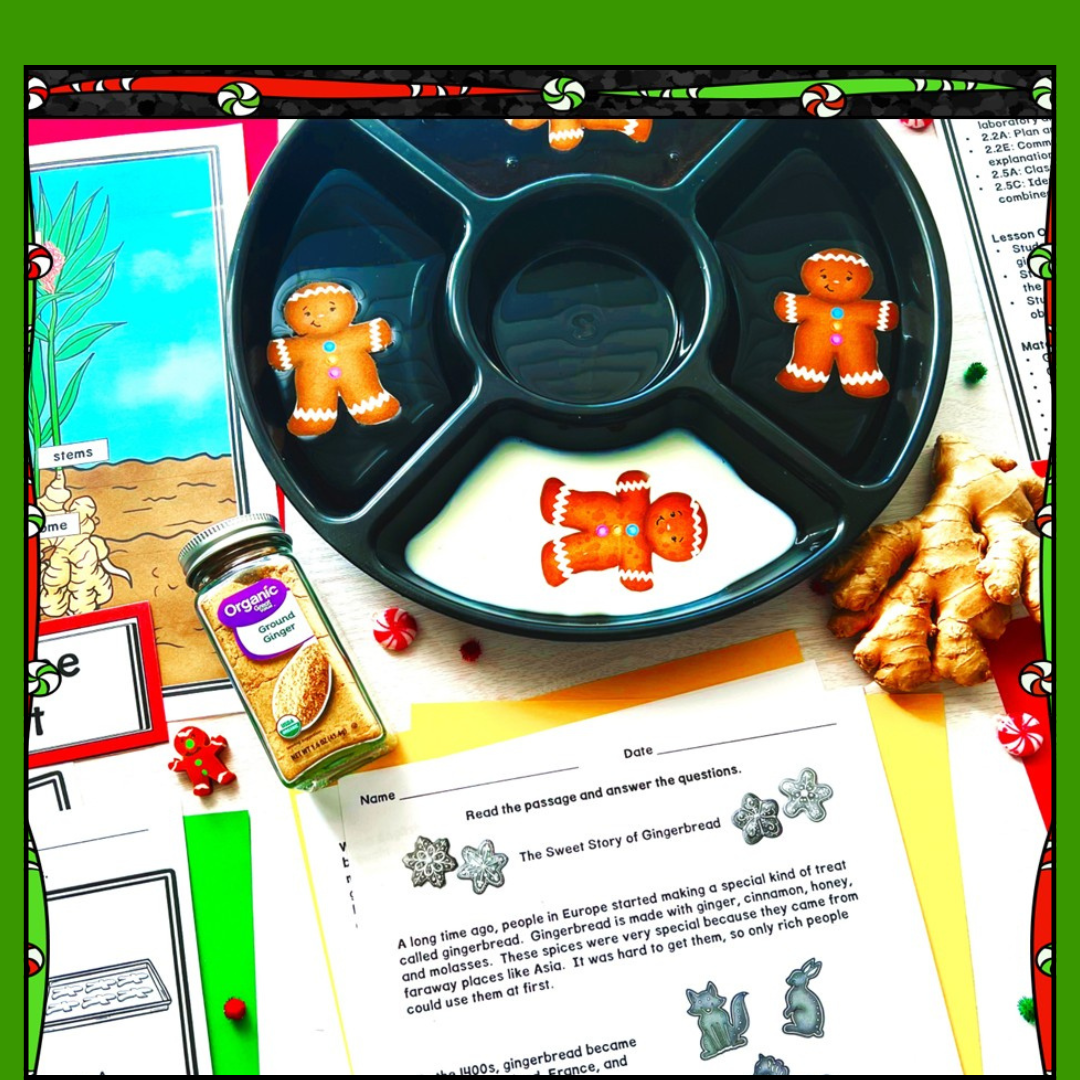
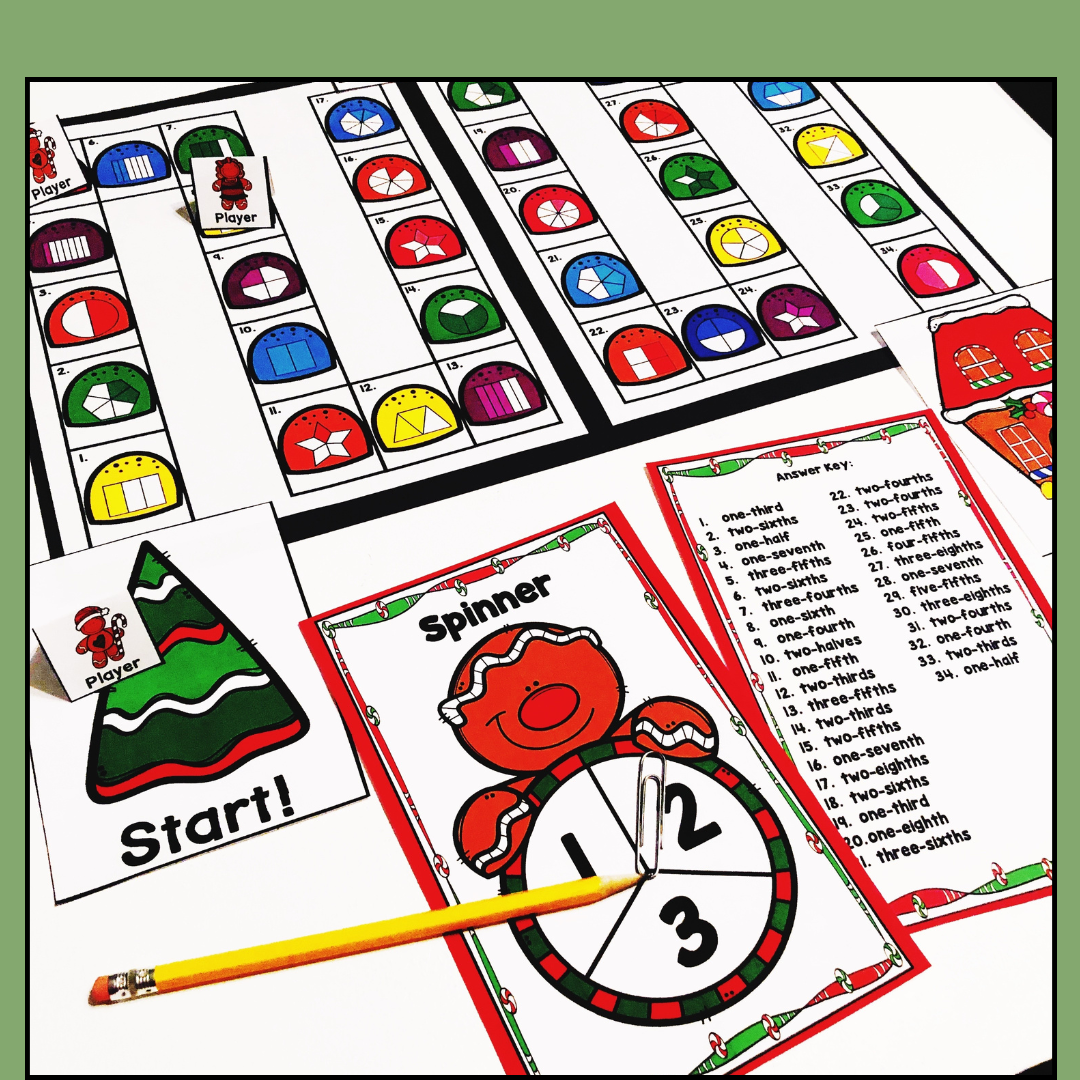
- In December, “Gingerbread Fraction Fun” feels like play instead of practice.
- In February, “Valentine Themed Math Review Games” are just the thing to engage your students in math learning fun.
- In the spring, students will love a “Buggy time” telling time!
By connecting math concepts to what’s happening in the world around them, you’re helping studenrts stay focused and enthusiastic about learning.
2. They Make Review Feel Fresh and Fun

Seasonal math activities are a great way to review key skills without students even realizing they’re reviewing! When the same addition, subtraction, or word problem practice is wrapped in a new weasonal theme, it feels brand new.
This is espeially helpful before breaks or testing seasons, when students might need extra practice but lack motivation. A “Valentine’s Day Math Review” or “Summer Kickoff Math Challenge” gives then the extra incentive to keep learning–because it feels like a celebration, not more work.
And let’s face it–when students are having fun, they’re more likey to retain what they’ve learned.
3. They Help Build Real-World Connections

Seasonal activities also make math more meaningful by connecting it to the real world. Think about it–measuring ingredients for pretend Thanksgiving feast, adding up the cost of gifts in a holiday store, or building a snow fort (with snowballs that just happen to have fun fractions on them!) are all practical ways to apply math to real-life situations.
When students see how math shows up in their daily lives (and even in the seasons), they develop a deeper understanding and appreciation for it. That kind of learning sticks.
4. Seasonal Math Activities Add Variety and Spark Joy

Changing up your math centers or lessons with the seasons keeps your classroom feeling fresh and exciting. Students love walking in and seeing new themed games or colorful task cards–it gives them something to look forward to.
Plus, it helps teachers, too! Adding new seasonal themes can re-energize your own teaching routine and keep things creative and fun.
Even a simple activity, like swapping plain number cards for snowflakes or hearts, can make a big difference in how excited your students are to participate.
5. They Encourage Collaboration and Community

Seasonal math activities often lend themselves to partner or small group work, encouraging students to collaborate and problem-solve together.
When kids complete a Valentine-themed puzzle game or a holiday math scavenger hunt, they’re not just practicing skills, they’re building social connections and teamwork.
These moments of shared fun help strengthen classroom community, which makes your learning environment even more positive and productive.
6. They Support Differentiation

Because seasonal math activities come in so many forms–games, centers, worksheets, task cards, or challenges–they make it easy to differentiate for different learning levels. You can use the same seasonal theme with slightly adjusted difficulty so every student feels successful and challenged at the same time.
Wrapping It All Up

Seasonal math activities aren’t just cute, they’re powerful teaching tools. They keep your students engaged, make review exciting, and bring joy into everyday lessons. When math connects to the world around your students, it feels real, relevant, and fun.
So next time you’re planning your math block, think about how you can bring the seasons into your lessons. Whether it’s a winter-themed fraction game, a fall place value pumpkin, or spring-time buggy “telling time” fun, these activities can turn ordinary math time into something your students truly look forward to.
Because when learning feels like fun, everyone wins!
HAPPY LEARNING!



















0