
Wow!! What an important skill skip counting is! When a child learns to skip count correctly, it helps them count many things efficiently and build the foundation for multiplication!
One of the ways that we practice skip counting is to count equal groups of things. And of course, manipulatives are a must. I love to use math mats that I create to help students keep track of what they are working on. I use dry erase mats like the one below for most of our math activities. I have found that for my students, the more they write about what they are doing, the better!

Click here if you would like a free copy of this activity! 🙂
In this activity, students are counting ants! AND they are using ant spinners to do it!… (which they think is funny) 🙂 They spin the number they are going to skip count by, and then they spin how many times they will skip count. I have several different levels of spinners. Some students need to start off working with lower numbers and the spinners make it easy to differentiate!
The fun part is the students are creating their own skip counting problems. And as they spin the number they are skip counting by, and the number of times they have to do it…..They are also creating repeated addition problems as well. And we know that repeated addition inevitably leads into joining equal groups… or multiplying!
One of the most important parts of this lesson, or center, is that they are writing their answers over and over again…. I personally feel that this is a huge benefit when it comes to them imbedding this skill in their memory. They are working with manipulatives, counting them by hand, and writing their answers, every single time. And that makes me very happy….
They love to count these ants over and over again. I picked them up on Amazon. They come in packages of 300 for $7.99.

Click here for the Amazon link…. Nope, I’m not an affiliate, just thought I’d share! 🙂
You don’t have to use ants for this activity though! I have used little black beans and they love working with those too! Its all about the students creating the problem scenarios themselves and interacting with the materials.
In the center below, students use skip counting cards and a tally mat to order numbers and practice with the patterns that they see.

I give some students a bag of skip counting numbers that go together as a set, and they must order them and record tick marks on their work mat. Then they complete a worksheet that reviews what they have just done. Notice the work mat again. I’m not gonna lie… I love work mats. I just create them, print them out, and laminate them. I use the SAME work mats for YEARS! They are easy to disinfect and wipe off. Eventually they become a little dingy but it takes a while. I literally have place value work mats that are 6 years old now…
But back to the center… I use the center a little differently with students who have a better grasp of skip counting. I usually put several different skip counting sets in a large ziplock bag or bucket, and they have to sort out and order all the sets. Which really gets a LOT more tricky for them.
In the last center below, students who are really getting a grasp of skip counting play a fun board game! They. Love. It…. Seriously, they do…

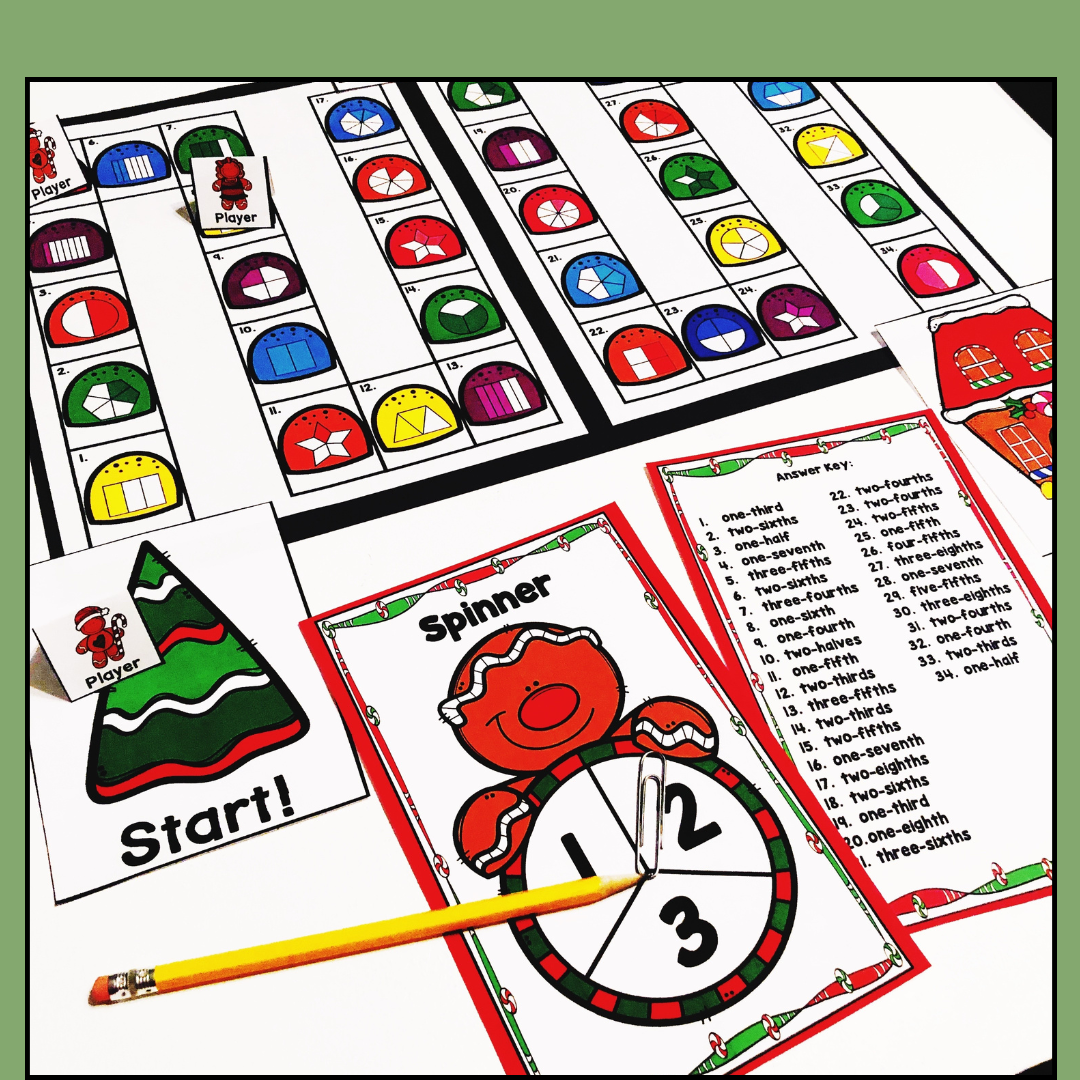
In this game, students roll a die and move around the squares on a game board. The squares contain numbers that are skip counting. One of the skip counting numbers is missing, and students have to figure out the what the number is. Then they must use some sort of counter to cover the matching number in the center of the board. Their partner uses a game key that I made to check their answer. The student that covers the most numbers wins the game. I have also had student pairs work together to cover all the answers in the center of the board. I also made a worksheet for them to complete to review the skill.
Some students need lots of scaffolding when working in these centers, so I made a handy skip counting set that I laminate and keep on rings. When they are practicing, they can refer to it. I have made several copies for individual students to practice with and to keep in student seating groups for easy reference. I have found that if I keep many different reference tools in the classroom, students will take responsibility in looking things up to help themselves be successful in learning! When they get stumped, I say, “Is there a reference tool in the room that you can use to solve your problem?” And as the year progresses, they become more and more adept at solving problem situations on their own by thinking about and finding the reference tools that they need! And boy…. does that make me proud of them! 🙂

I hope that you find all of these ideas helpful in your classroom. Skip counting is one of the foundational skills that we begin early in the school year and carry on throughout.
If you would like further information on where you can find all of these centers, you can click on the image below to visit my TPT store. You can also follow me on TPT or join my email to be the first to receive information on freebies and sales.

I hope that you have a fabulous school year!
Happy Teaching!
Robyn Shelton – Caffeine With Class


















0