
Teaching force, motion, and magnetism in 2nd grade is one of my favorite science units! Kids are naturally curious about how things move and stick…and these lessons are perfect for bringing science to life in a hands-on, student-centered way.
Here are 10 fun and easy activities that get your students exploring pushes, pulls, motion, and magnets–all while building their science vocabulary and reading skills.
Table of Contents
1. Pushes and Pulls in Action

Start simple by having students explore pushes and pulls using common classroom items. Give them toy cars, marbles, and blocks to test how far objects move when pushed or pulled with different amounts of force.
TEKS Connection: 2.6A–The student will demonstrate and describe how forces cause change in position and motion.
Extension: Have students record their observations on a chart labeled “Push” and “Pull.”
2. Ramp It Up!

Students love exploring motion on ramps! Provide ramps made from cardboard, wood, or large binders and let students roll different objects down them. Ask: “What happens when we raise the ramp higher?” They’ll quickly see how gravity and slope affect motion.
Integrate math: Measure and record how far each object rolls.
Discuss: “Which for made it go faster or slower?”
3. Friction Test Lab
Set up a simple test to explore friction. Have students slide toy cars across different surfaces–tile, carpet, sandpaper, or foil–and record how far they travel. They may also choose different 3D shapes to work with like rectangular prisms or cubes to slide across each surface. This gives them an activity that deepens their understanding of the attributes of 3D shapes as well! It’s wonderful to have students engaged in learning that incorporates more than one subject! If you’re interested in other activities with 3D shapes, just click here for more info!
Ask: “Which surface had more friction? Which one made the car move farther?”
This simple test helps student see how surfaces affect motion.
4. Balloon Rocket Experiment
This one’s always a class favorite! Thread a string through a straw, tape the straw to a balloon full of air, and release it to see the balloon “rocket” across the string.
Concept: The air rushing out of the balloon creates a push force that moves it forward.
Connect: “What would happen if we changed the size of the balloon or the amount of air?”
5. Magnet Discovery Stations

Bring in magnetism with a magnet sorting activity! Give students a tray of objects (paper clips, coins, foil, erasers, buttons) and let them test which ones are magnetic.
Challenge: Have them sort items into “Magnetic” and “Not Magnetic” and describe what they notice about materials that magnets attract.
Extension: Create a chart showing patterns–many magnetic items are made of iron or steel.
6. Earth’s Magnetism Reading & Discussion

Help students understand that Earth itself is a giant Magnet! Read a short, age appropriate passage explaining that the Earth has a magnetic field that helps compasses work.
Why it matters: Integrating reading and science helps students build both literacy and content knowledge, and it meets informational text standards!
Activity: Let students make their own compass using a magnetized needle flosting on a plastic lid in the water.
7. Magnetic Field Exploration

Sprinkle iron filings (teacher only) or small paper clips on a piece of paper place over a magnet. Students will see invisible magnetic field lines appear! There are also kits available that have the iron shavings encased in a clear plastic container. That is the option that I prefer.
Discussion: “Why do you think the lines look this way? What pattern do you see?”

This activity helps students visualize magnetic force, something they can feel but not see.
8. Magnetic Maze Game
Create a maze on paper, place a small paper clip on top, and have students use a magnet underneath to move it throught the maze.
Skill focus: Controlling motion using magnetic force.
Challenge: Have students time how long it takes to get through the maze, or design their own!
9. Force and Motion Vocabulary Center

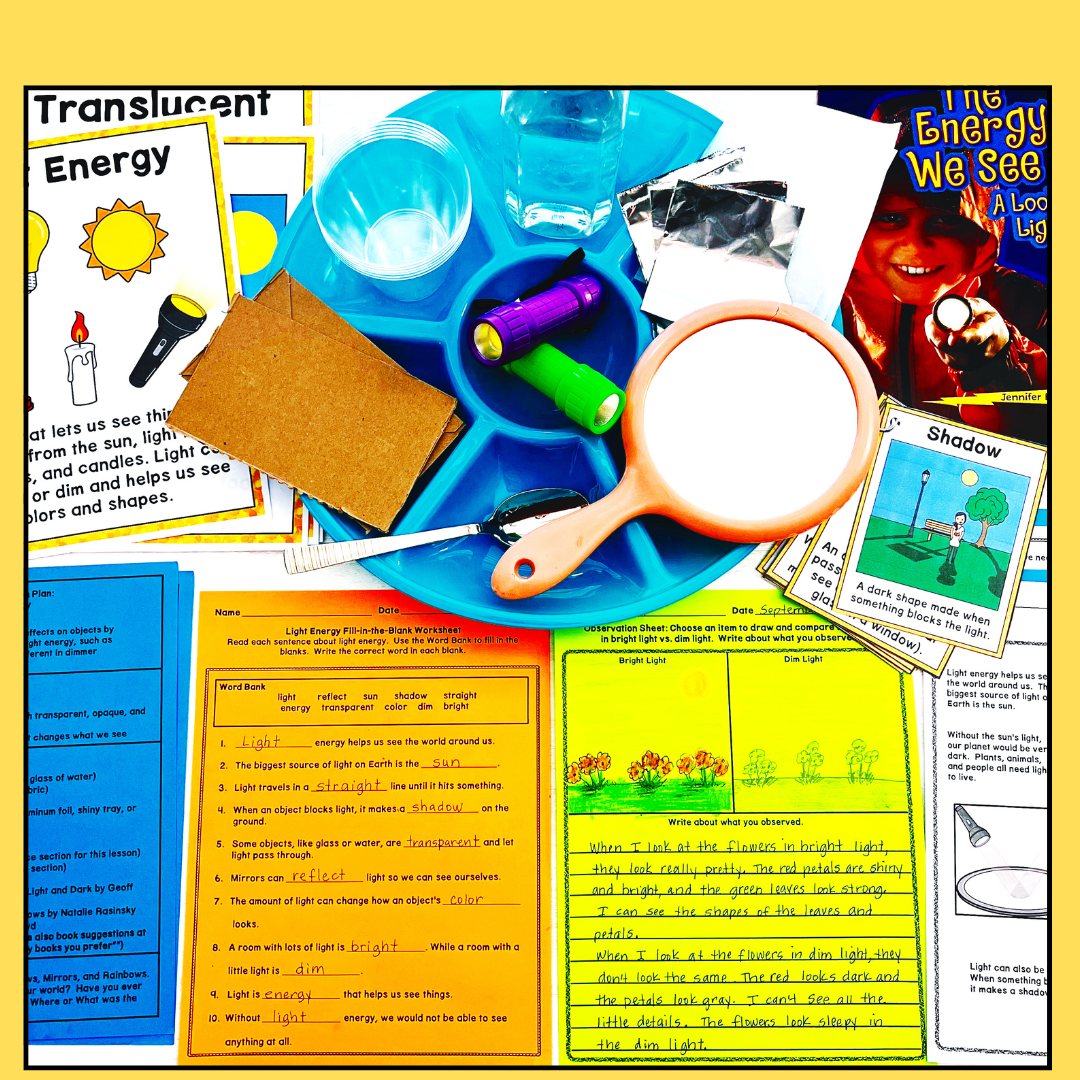
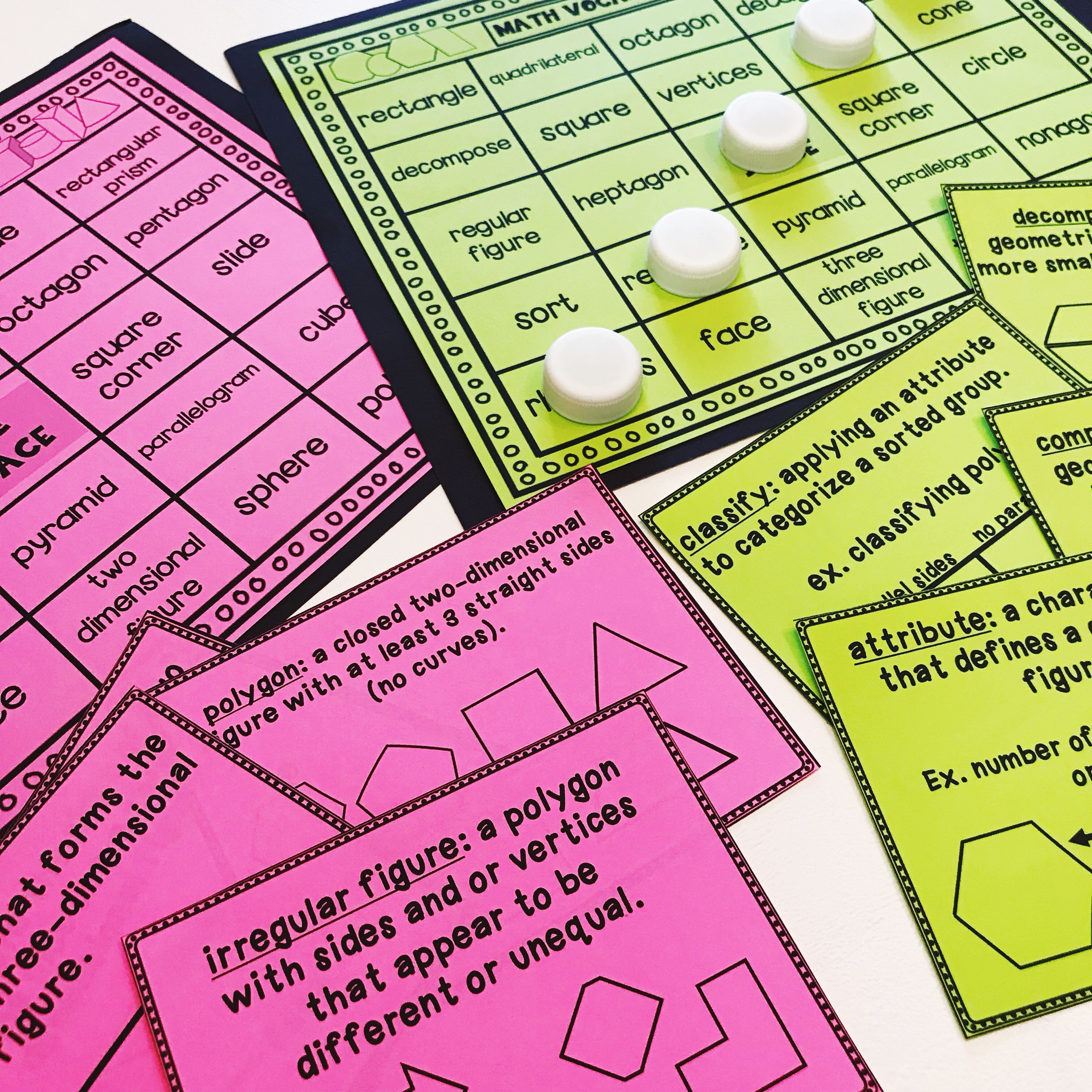
Reinforce key vocabulary with colorful posters, matching cards, and fill-in-the-blank activities. Terms like force, motion, gravity, friction, attract, repel, and magnetism come alive when students can see and use them in action.
Tip: Keep these cards in a center for easy review all week long.
10. Science Reading and Writing Integration

Don’t forget to tie in literacy! Provide short, 2nd grade leveled reading passages about magnets, motion, or Earth’s magnetic field. Follow up with comprehension questions and writing prompts like:
“Describe what happens when two magnets repel.”
“Explain how friction affects motion.”
Reading and writing in science help reinforce understanding while meeting TEKS expectations in multiple subjects.
Why These Activities Work

These lessons are perfect for 2nd graders because they combine curiosity, discovery, and literacy. Students don’t just hear about force and motion, they see, feel, and read about it.
They’re also TEKS-aligned and easy to differentiate for your learners. Whether you’re working with small groups, science centers, or whole-class investigations, these activities help students connect real-world experiences to science conceptes in meaningful ways.
Ready to make science magnetic this year?

You can find the full collection of reading passages, vocabulary games, and experiments below! Let’s make science stick–literally!

The science activities in this bundle all standards based. You will have year-long, hands-on labs, science vocabulary activities, fun science projects, and reading activities that make each skill come to life. This resource will benefit your students’ learning because of the following:
- Concrete to abstract: Each resource takes the skills focused on from concrete to abstract by having students engage in activities that build on thier knowledge base.
- Multiple Exposures: Students interact with concepts through doing, reading, writing, and STEM activities in which they use what they’ve learned in their own creations.
- Cross-curricular: Each activity naturally ties into literacy (reading passages, vocabulary) and math (measuring, graphing, creating tables), meeting TEKS effectively
- Differentiatable & Low Prep: Most activities use simple, inexpensive materials and can be scaffolded for a range of learners.
- Engagement + Assessment: Quick formative checks (exit tickets, journals, matching cards, fill-in-the-blank worksheets) let you monitor understanding without heavy grading.



















0