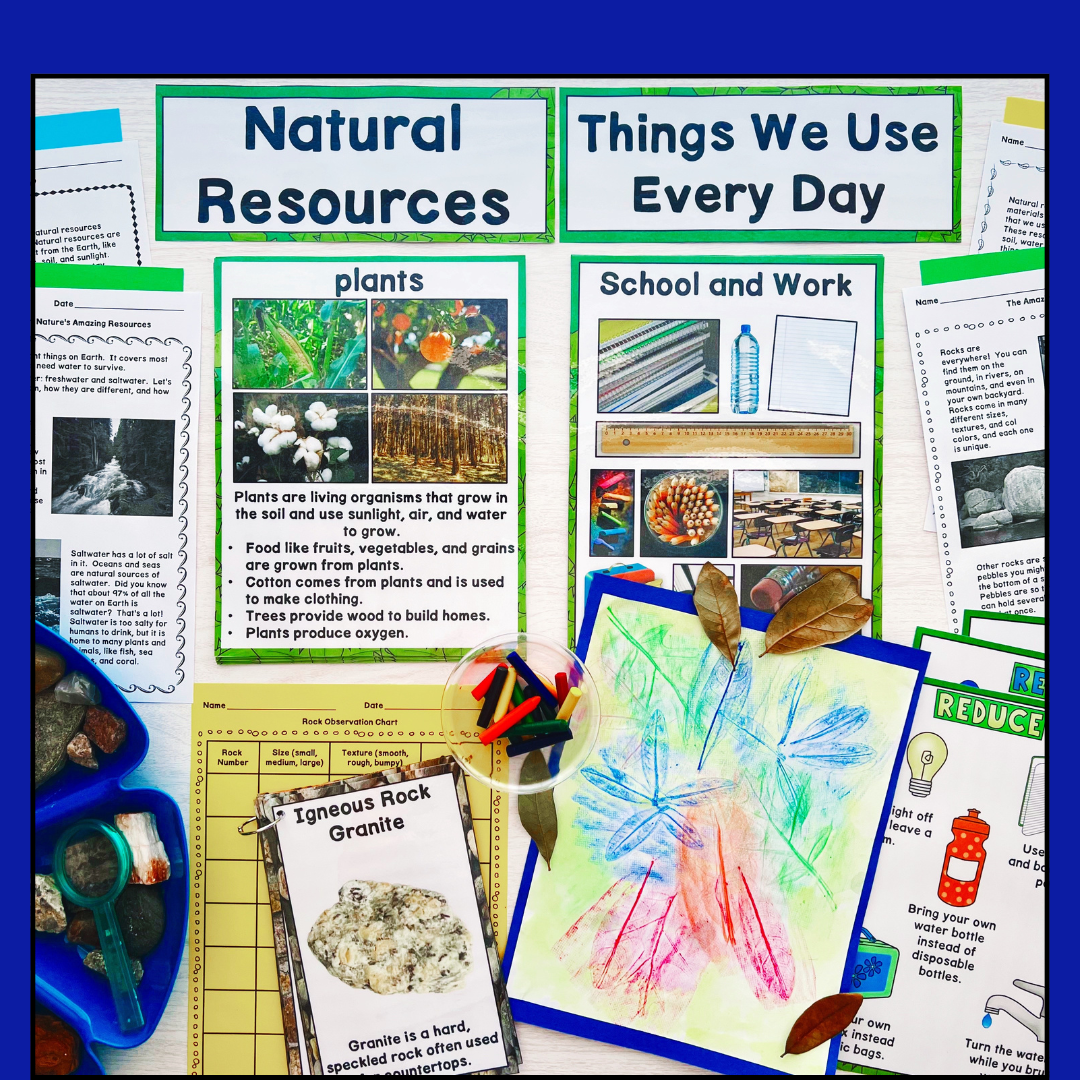
Teaching natural resources in second grade is one of my favorite science units because it connects directly to students’ real lives. From the water they drink to the rocks they collect on the playground, natural resources are everywhere, and students LOVE discovering how they are used and why they matter.
Below are some engaging, classroom-tested activities and lesson ideas to help your students understand natural resources, rocks, freshwater vs. saltwater, and conservation in a fun, meaningful way.
Table of Contents
1. Start With “What Are Natural Resources?” Anchor Lesson

Begin your unit by introducing what natural resources are and why they are important. Create a simple anchor chart with categories like:
- Water
- Plants
- Animals
- Rocks and minerals
- Sunlight
- Soil
Have students brainstorm everyday items made from natural resources (paper, plastic, cotton shirts, wooden furniture, etc.) This is a great way to build background knowledge and vocabulary.
Take students on a nature walk on the playground or around the school (or have them bring objects from around their home). As students come across natural resources, they can tell you how they think each one is used or is beneficial. You can also have students attach their finds to the anchor chart (for animals and sunlight, they can draw or find pictures!)
2. Set Up Natural Resource Observation Stations

It’s easy to set up hands-on observation stations around the classroom. Include items like:
- A rock sample
- A leaf or piece of wood
- Cotton fabric
- Water in a cup
- Soil in a container
Students can rotate, observe, and record the physical properties such as texture, color, and hardness. This is a great way to integrate science notebooking and TEKS observation skills.
3. Sort Natural vs. Manmade Resources

Give students picture cards of items like paper, plastic bottles, wood, glass, cotton, metal, etc. Have them sort into Natural Resources and Man-Made Products.
This helps students understand how natural materials are transformed into things we use every day. A matching or sorting center works wonderfully for early finiahers or small groups.
4. Explore Rocks: Observe, Describe, and Compare

Rocks are always a hit with second graders! Have students:
- Observe rocks by size, texture, and color
- Use a data chart to record observations
- Compare two rocks and describe similarities and differences
You can add posters or flip cards showing sedimentary, igneous, and metamorphic rocks to build background knowledge in an age-appropriate way.
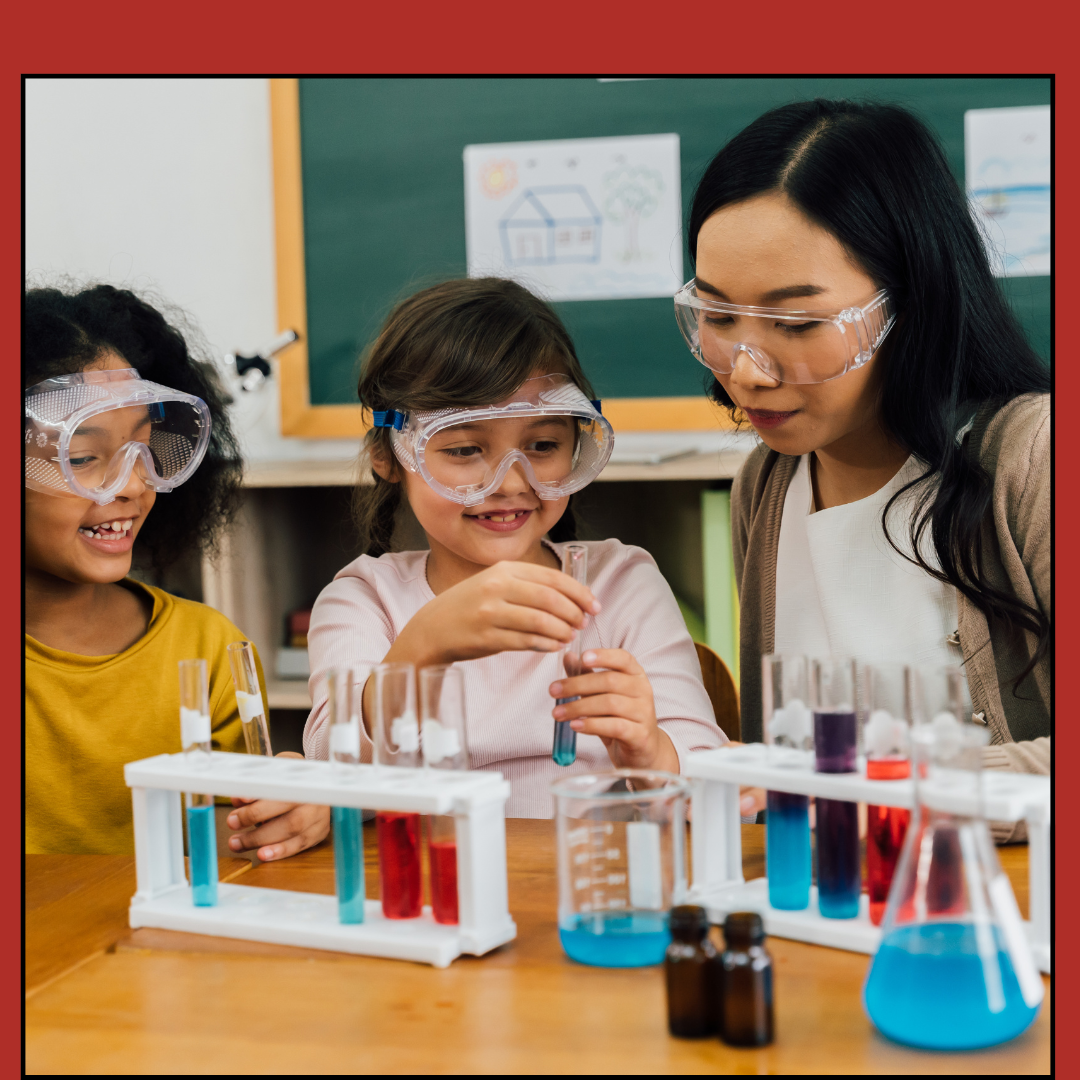
5. Freshwater vs. Saltwater Mini Lab

This is a fun and memorable science experiment! Provide cups of freshwater and saltwater and allow students to:
- Observe clarity
- Test buoyancy with a small object
- Discuss taste only if your school permits
Then discuss where we find freshwater (lakes, rivers) and saltwater (oceans, seas), and how people use each type.
6. Reduce, Reuse, Recycle Conservation Lesson

Wrap up your unit with conservation! Discuss:
- What happens when we waste water or cut too many trees
- How recycling helps save resources
- Simple classroom and home actions students can take
Have students create posters or pledge cards about how they will help conserve natural resources.
7. Integrate Reading and Science With Passages

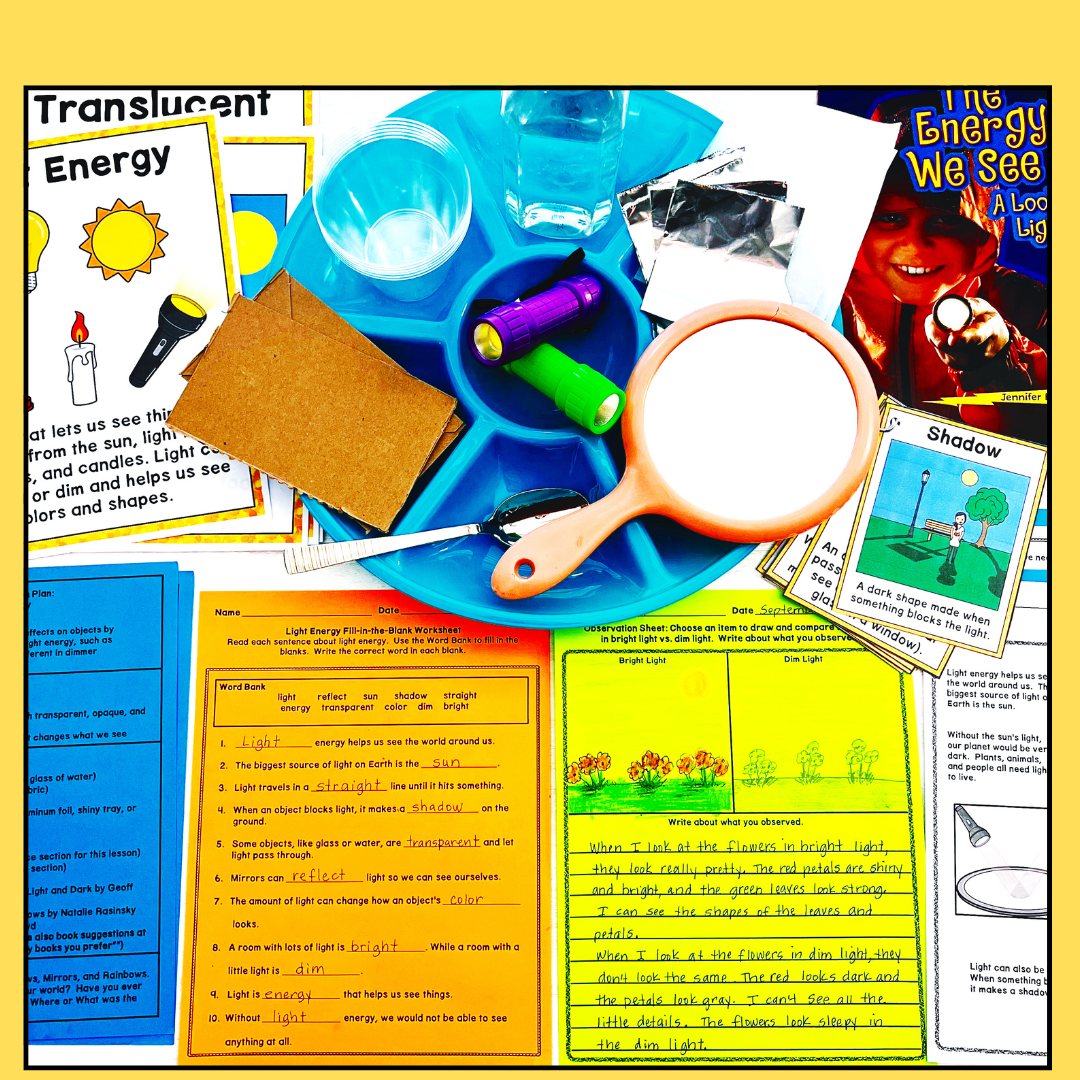
Science reading passages with comprehension questions are a powerful way to reinforce content and meet ELA standards at the same time. Students can read about rocks, freshwater vs. saltwater, and conservation, then answer questions to show understanding.
8. Make It Even More Fun With Hands-On Centers

Centers are perfect for this unit! Try:
- Sorting cards
- Observation stations
- Reading and response center
- Matching games
- Science notebook recording
- Leaf rubbings / Water color resist pictures
Students stay engaged while practicing multiple skills
Looking for a Ready-to-Use Natural Resources Unit?

If you want everything planned and ready: lesson plans, posters, reading passages, experiments, observation charts, and sorting activities, I have this complete unit available. This resource will make planning easy and help get your students engaged in learning and retaining information about natural resources!
Natural resources is a fantastic unit to connect science to real-world problem solving. Students love discovering where things come from, and they feel empowered when they learn how to protect our planet.
Take Science Learning Even Further With a Year-Long Science Resource

A complete year-long science bundle makes it easy to keep students engaged with hands-on activities, visuals, experiments, and reading integration for every unit.
Second graders learn in many different ways–Some need to see it, some need to touch it, some need to read it, and some need to talk about it. That’s why lessons that include interactive centers, observation activities, vocabulary posters, and science reading passages are so powerful–And this resource has it all.
With a year-long science bundle, you can save planning time and feel confident knowing your lessons are aligned, engaging, and developmentally appropriate.
HAPPY LEARNING!!

















0