
Learning about 2D and 3D shapes is one of the most exciting parts of second grade math! Geometry lessons open students’ eyes to the shapes all around them–on the playground, in the classroom, and even in their snacks! When students get to touch, build, and play with shapes, they develop a much deeper understanding of what makes each one unique.
This post has many ideas and activities that make exploring 2D and 3D shapes fun, visual, and meaningful for your learners. The following ideas are designed to help students build foundational geometry skills in hands-on ways.
Table of Contents
1. Start with Visuals of 2D and 3D Shapes: Shape Posters and Vocabulary Cards

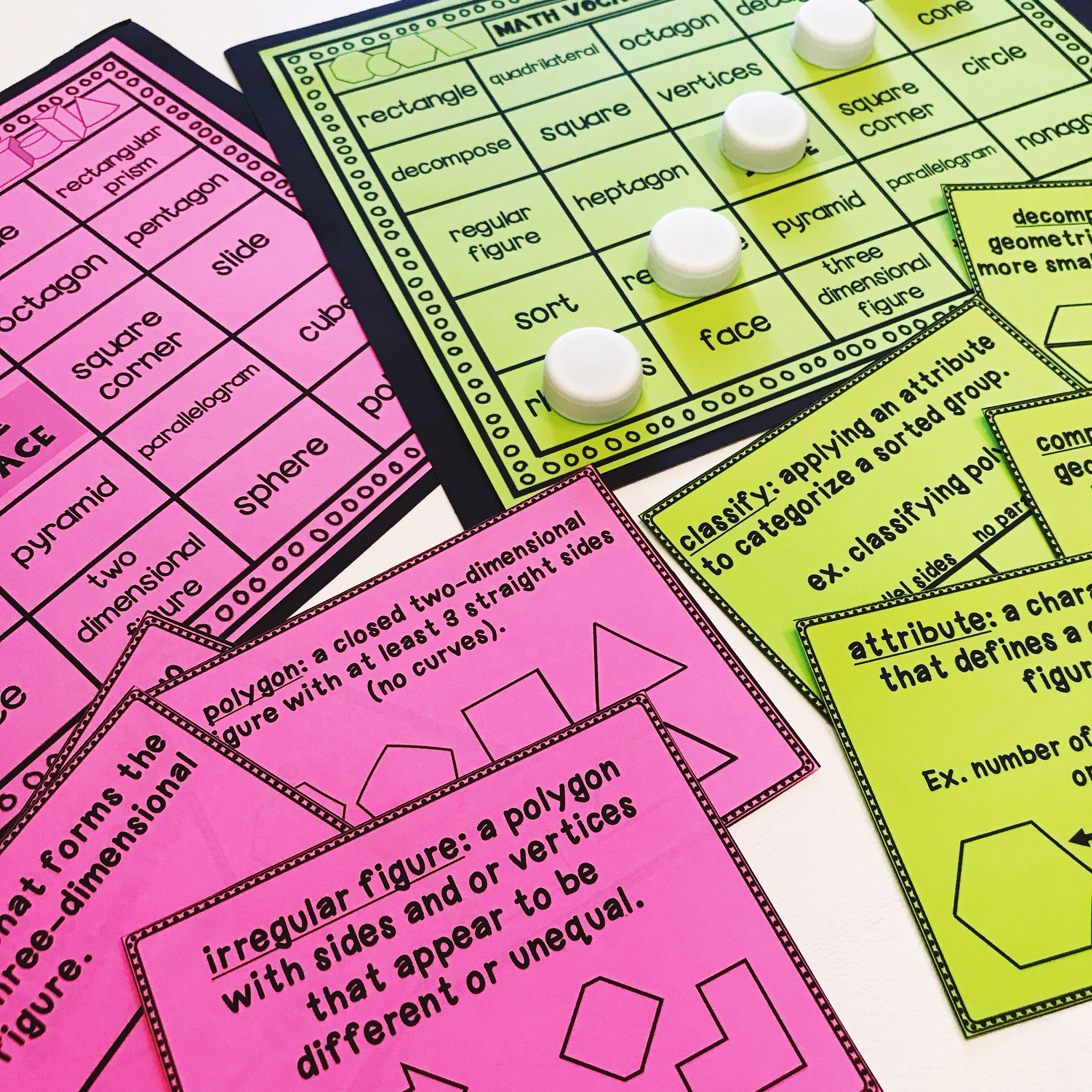
A great way to begin your geometry unit is by surrounding students with visuals. Illustrated 2D and 3D shape posters help students see important vocabulary words and attributes, like sides, vertices, faces, and edges every day. Hanging these posters on your math wall or whiteboard turns your classroom into a learning space where shape vocabulary is always within sight.
Vocabulary cards can be used in small groups, centers, or as a quick reference during lessons. Some teachers put them on rings so students can keep them at their desks or use them during math writing.

Teacher Tip: Introduce a few new shapes each day. Have students use the cards to quiz each other: “How many sides does a pentagon have?” “How many faces does a rectangular prism have?”
2. Tell a Story: Bring 2D and 3D Shapes and Reading Together

Kids love stories, and stories make new concepts easier to remember! In this story, students meet Max the Monster, who goes on a hunt for shapes around his school and home. As students follow along, they learn to identify both 2D and 3D shapes and connect what they see in class to objects in the real world.
Classroom Extension: After reading about Max, take your own “Shape Walk” around the school. Students can record shapes they find in hallways, classrooms, or the playground–a perfect way to make learning interactive and real!
3. Build It: Create 2D Shapes with Popsicle Sticks

This is always a classroom favorite! Using popsicle sticks and 2D shape cards, students build shapes like triangles, rectangles, pentagons, and hexagons. Once they’ve build each one, they complete a quick chart describing the number of sides and vertices.
This hands-on activity encourages students to explore the properties of polygons in a fun, tactile way.
Challenge Option: Ask students to create new shapes with the same number of sides or to design a “mystery shape” for a partner to guess.
4. Make It 3D: Constructing Solids

Once students are comfortable with flat shapes, they’re ready to take it up a dimension! Using printable templates, students can color, cut, and fold to create 3D solids such as cubes, cones, cylinders, and prisms. This activity helps them see how 2D shapes combine to form 3D figures.
Display Idea: Create a classroom “Shape Museum.” Label each 3D solid with its name and list its attributes: faces, edges, and vertices. Students love showing off their creations, and it reinforces math vocabulary daily.
5. Think and Compare: Using Venn Diagrams

After students have explored both 2D and 3D shapes, it’s time to help them make connections. Using Venn diagrams, students compare similarities and differences between 2D and 3D shapes. This promotes deeper thinking as they notice that a circle can become part of a cylinder, or that rectangles form the faces of a rectangular prism.
Center Idea: Use laminated Venn diagram mats with shape cards for easy reuse during small group practice.
6. Get Moving: “Find Your Matching Shape” Game

Movement keeps energy high and learning fun! In this activity, some students are given 3D shape cards and must find their classmate who has the matching 2D shapes that would be needed to create the solid figure. For example, a student with a cube card would find the classmate holding a card with 6 squares (the faces of a cube are all squares).
It’s a quick and engaging way to reinforce how 2D and 3D shapes relate to one another.
Bonus Tip: Add upbeat music while students move around. When the music stops, they freeze and find their match!
7. Sort It Out: “Polygon or Not a Polygon?”

Sorting activities encourage reasoning and discussion. In this one, students sort shapes into two groups: Polygons and Not Polygons. They’ll look closely at sides and vertices to decide which category each shape belongs in.
Discussion Prompt: Ask, “What makes this shape a polygon?” and “Why isn’t this one?” Encourage students to explain their thinking using correct math vocabulary.
8. Play and Review: The Shape Hunt Game

Board games make review so much fun! This Shape Hunt Game pairs students up to identify and name 2D and 3D shapes as they play. It’s a friendly competition that reinforces vocabulary and shape recognition while building teamwork skills.
Teacher Tip: Keep this game available as an early finisher activity. It’s a fun way to keep students practicing without needing extra prep.
Why Hands-On Geometry Matters

Exploring geometry through hands-on learning helps students understand more than just shape names. They begin to recognize patterns, describe attributes with confidence, and connect math to the world around them. Activities that involve building, sorting, and discussing shapes make abstract concepts more concrete and memorable.
Whether your students are folding 3D solids, playing shape games, or finding shapes around the school, they’re building important math foundations in a way that feels like play.
These activities make geometry come alive–and help students see that math really is all around them. And if you’re interested in other fun ideas to incorporate into your 2D and 3D shapes study, click here!
Hands-On Learning All Year

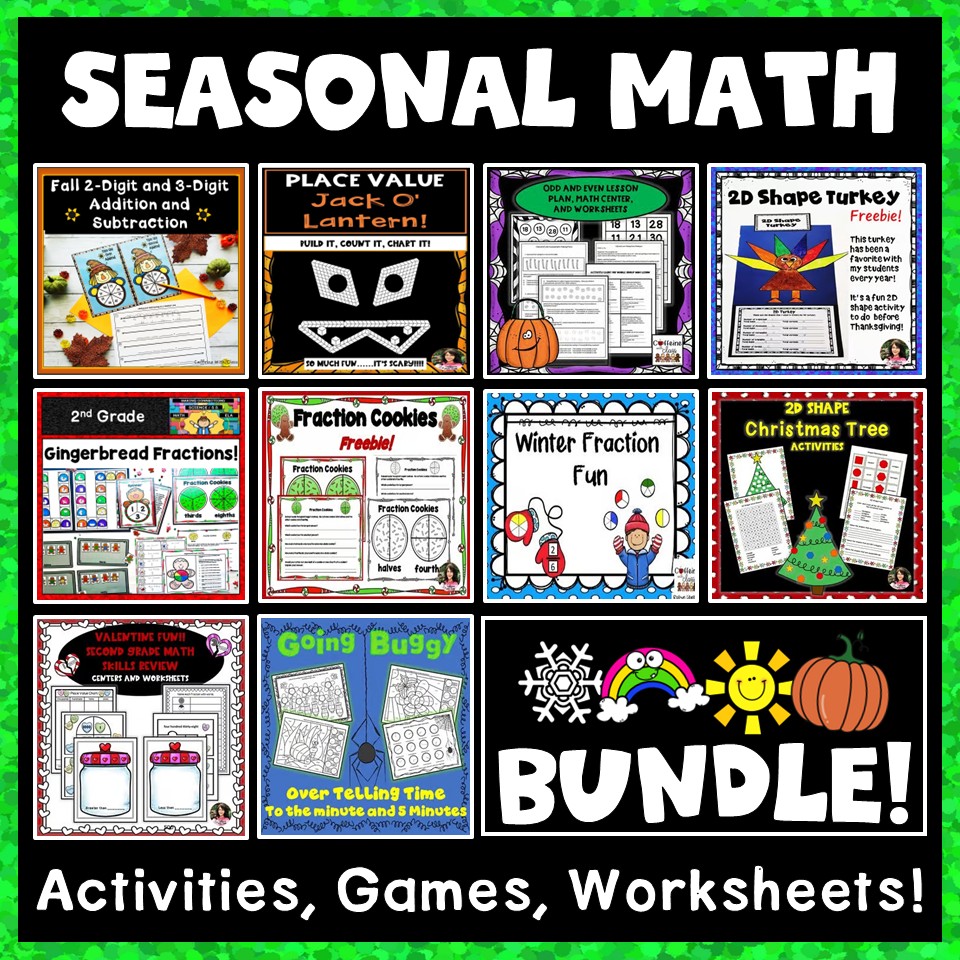
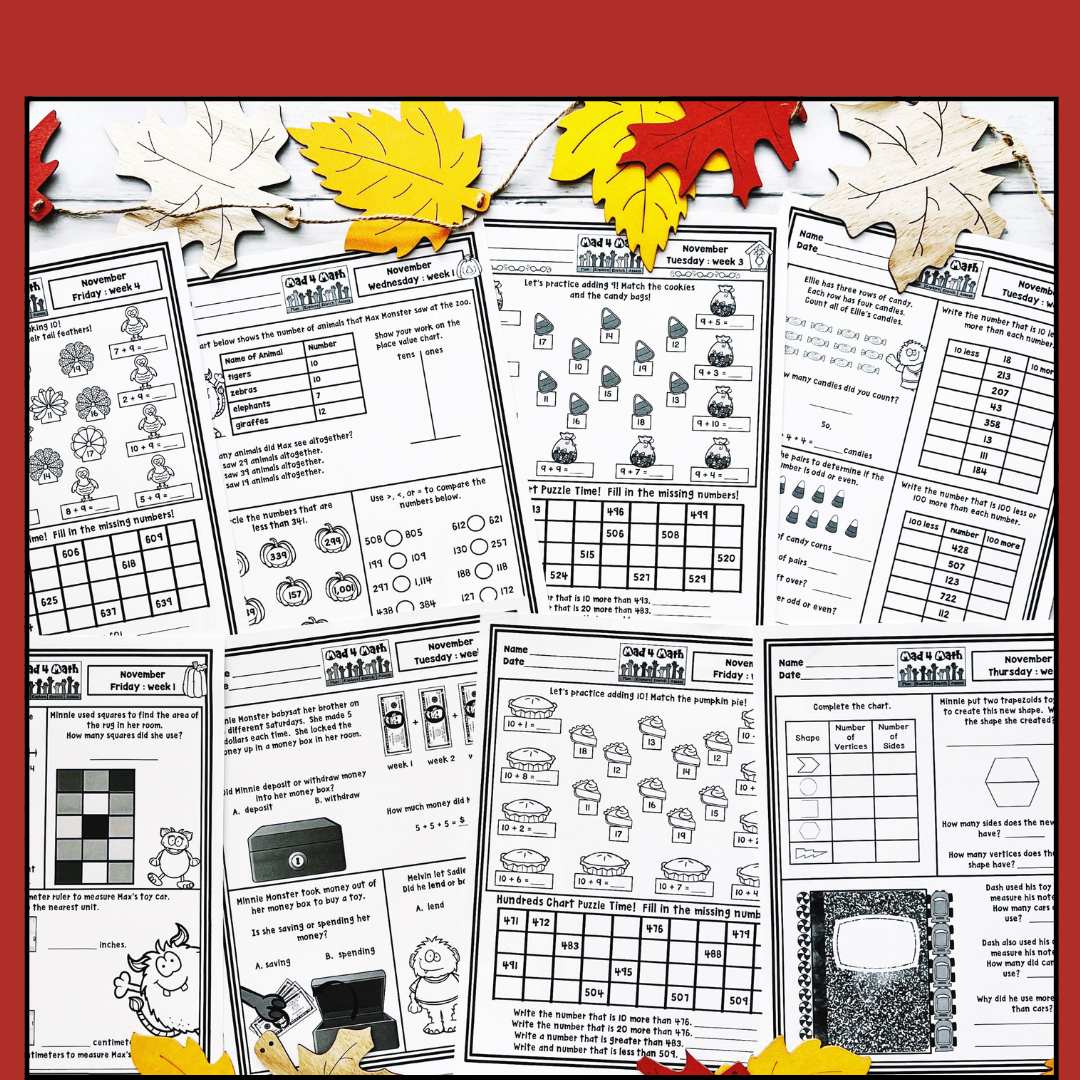
Hands-on activities are so important for young learners. As they explore important math concepts, multiple exposures through fun, engaging learning activities can make a huge difference in their success. This Year-Long Math Unit Bundle is packed with learning activites that are Common Core and TEKS based and that provide extra hands-on practice to boost your students’ confidence and help make abstract concepts more concrete!
And if you’re reading this before Thanksgiving, I have a special treat for you! This 2D Shape Turkey has always been a favorite with my students, and it’s a great activity to do right before the holiday!

Hope you enjoy all of your shape activities! HAPPY LEARNING!



















One thought on “Exploring 2D and 3D Shapes in 2nd Grade: 8 Ways to Create Engagement!”