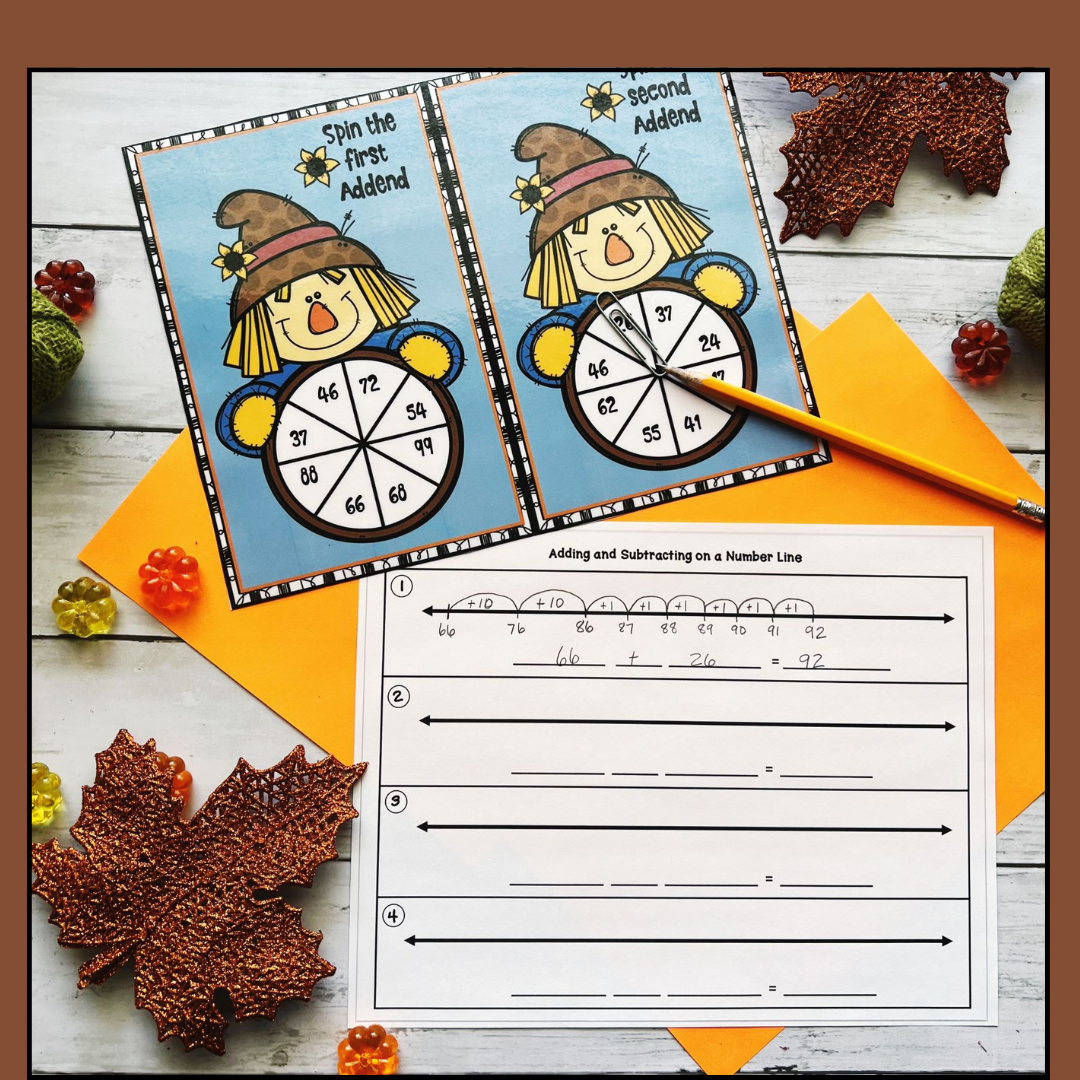
Helping students build strong addition and subtraction skills isn’t just about teaching the right answer. It’s about building a deep, flexible number sense that will carry them confidently into multi-digit operations. Using visual tools like the number line and base-ten blocks, along with thoughtful scaffolding and differentiation, creates a pathway toward fluency. And adding a seasonal, structured resource can be an excellent companion.
Table of Contents
1. The Power of the Number Line

A number line, especially an open one, lets students see the jumps in addition and subtraction. When they physically plot moves, like jumping tens and ones, they internalize how numbers relate. Young students need repeated exposure to hands-on activities that are interactive and that they can manipulate. Click here to read my other blog post about effective strategies to use for addition and subtraction on a number line.
2. Why Base Ten Blocks Matter Too

Base ten blocks anchor students’ understanding of place value in a tangible way. When adding, they group and add hundreds, tens, and ones; when subtracting, they decompose and regroup. Linking block manipulation with number-line jumps helps students connect concrete, pictorial, and abstract representations–this is a huge, as it promotes a deeper understanding of addition and subtraction.
3. Layered Scaffolding: From Single to Triple Digits

You have to start small with many students: Single-Digit
Begin with concrete materials: count with manipulatives, use a simple number line with 0-12. Students add and subtract with ease, gaining confidence in the concepts.
Move to Two Digits
Next, they use tens and ones on base-ten blocks. On a number line, they begin with jumps of ten, then ones. Support this with worksheets that layer difficulty gradually. Addition and subtraction task cards that spiral in difficulty can be an excellent way to scaffold and assess as student begin applying skills to 2-digit numbers.
Push to Three Digits
Finally, students handle hundreds. Both the number line and blocks scale naturally: students use base ten blocks in addition and subtraction problems, then they make jumps by hundreds, then tens, then ones on their number lines to completes problems.
4. Benefits of Combining Number Lines and Base-Ten Blocks When Practicing Addition and Subtraction

- Conceptual Clarity: Students both see the jump on the number line and hold it in their hands with blocks.
- Flexible Thinking: They learn that there are many paths to the same sum or difference; jumping by tens, breaking apart numbers, compensating, etc.
- Error Checking: Students can visually check a jump sequence on a number line and count the blocks to self-correct.
- Deep Place-Value Understanding: Regularly decomposing and regrouping on both tools reinforces the structure of the base-ten system.
5. Differentiation & Scaffolding

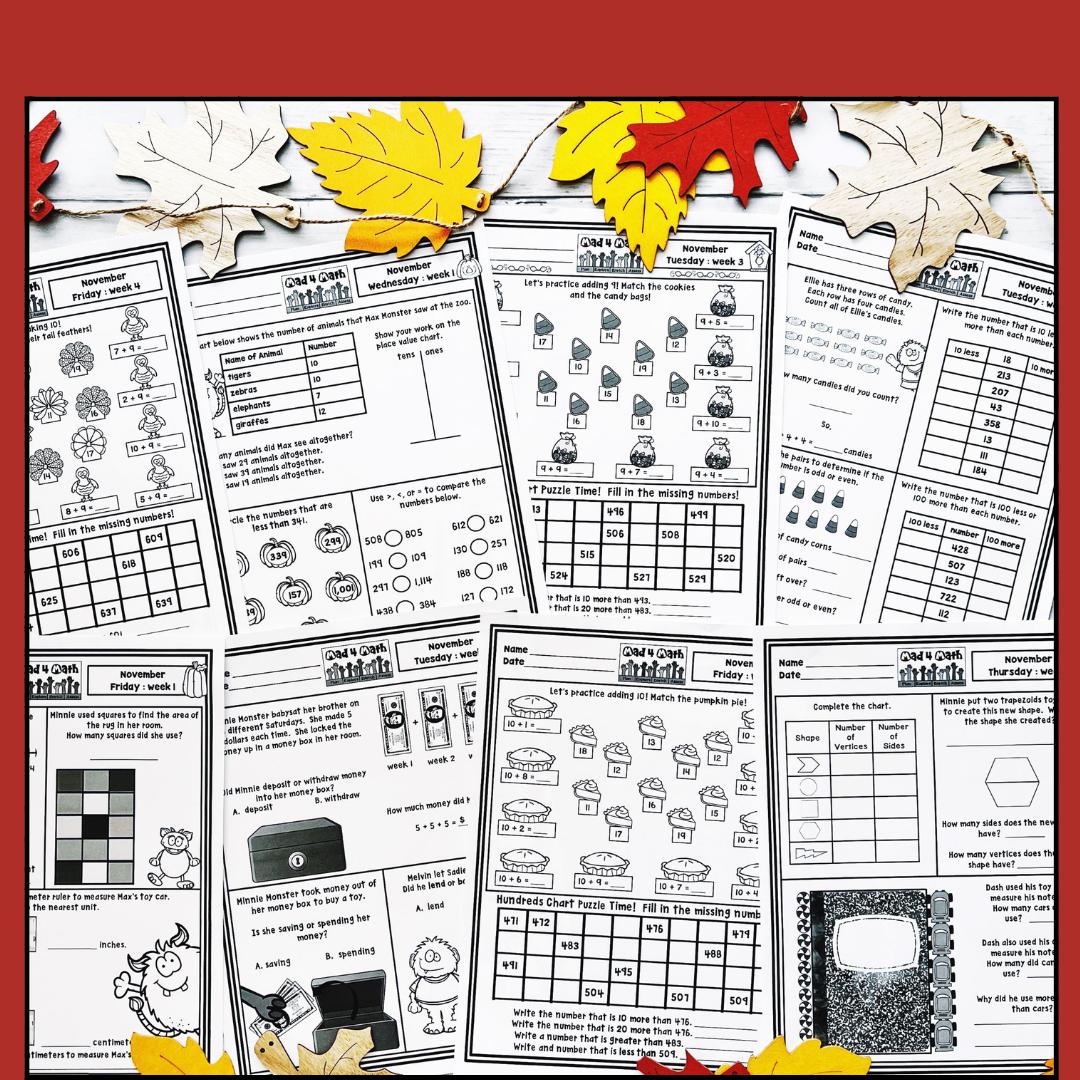
This Fall Adding and Subtracting on a Number Line resource provides varied formats–worksheets, task cards, and graphic organizers to help students show their thinking.
- Beginner Students: Start with single digit spinners.
- Developing Students: 2-digit spinners and task cards cards to apply strategies independently or in centers.
- Worksheets with open number lines and place value charts included to scaffold learners and encourage them to think about strategies.
- Advanced Learners: Challenge them with multi-digit problems, mixed operations, or even having them explain their steps using organizers.
This flexibility promotes effective differentiation: students can step in at the level that matches their readiness, and teachers can scaffold or extend as needed.
6. Integrating Hands-On & Visual Learning
Hands-on tools aren’t just fun–they activate learning in powerful ways:
- Engagement: Blocks and number lines invite movement and tactile interaction, making abstract ideas fun and memorable.
- Multiple Representations: Student can write the digits, sketch the blocks, and draw the number-line jumps–all reinforcing one another.
- Retention: The multi-sensory approach supports long-term understanding, meaningful transfer, and confidence when tackling increasingly complex problems.
7. How to Use Your Fall Resource in Practice
- Lesson Launch: Introduce with base-ten blocks and draw and open number line together on the board while solving a 2-digit problem.
- Guided Practice: Use graphic organizers as students plot jumps and draw blocks on their worksheets.
- Independent Work: Set up a center with task cards and number-line templates so students can practice one-on-one with peers.
- Assessment & Reflect: Hand out addition or subtraction task cards to identify who’s ready for 3-digit challenges and who needs more block-based scaffolding.
Final Thoughts
Combining number lines, base-ten blocks, scaffolded differentiation, and hands-on learning creates a powerful embrace of addition and subtraction concepts. Starting with one digit, extending to two, and then to three digits ensures students build incremental mastery. This Fall Addition and Subtraction resource round out this strategy. It’s a teacher’s toolkit for instruction, practice, and assessment.
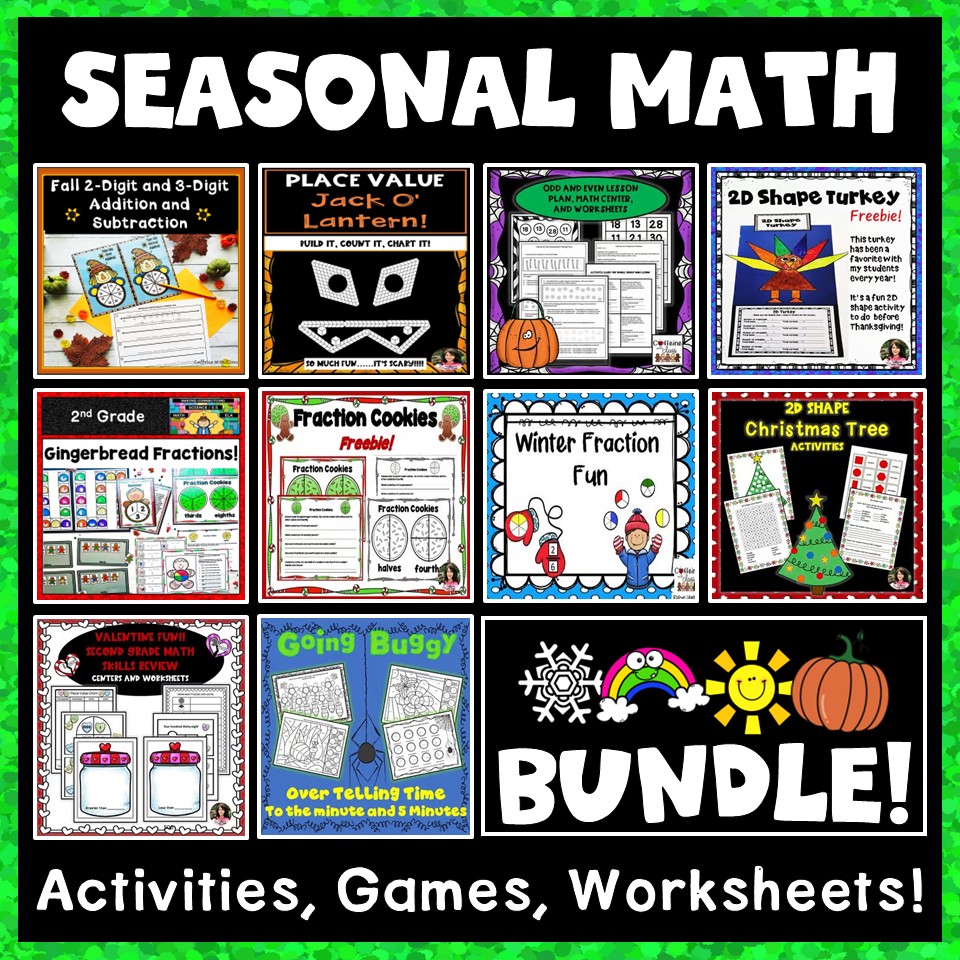
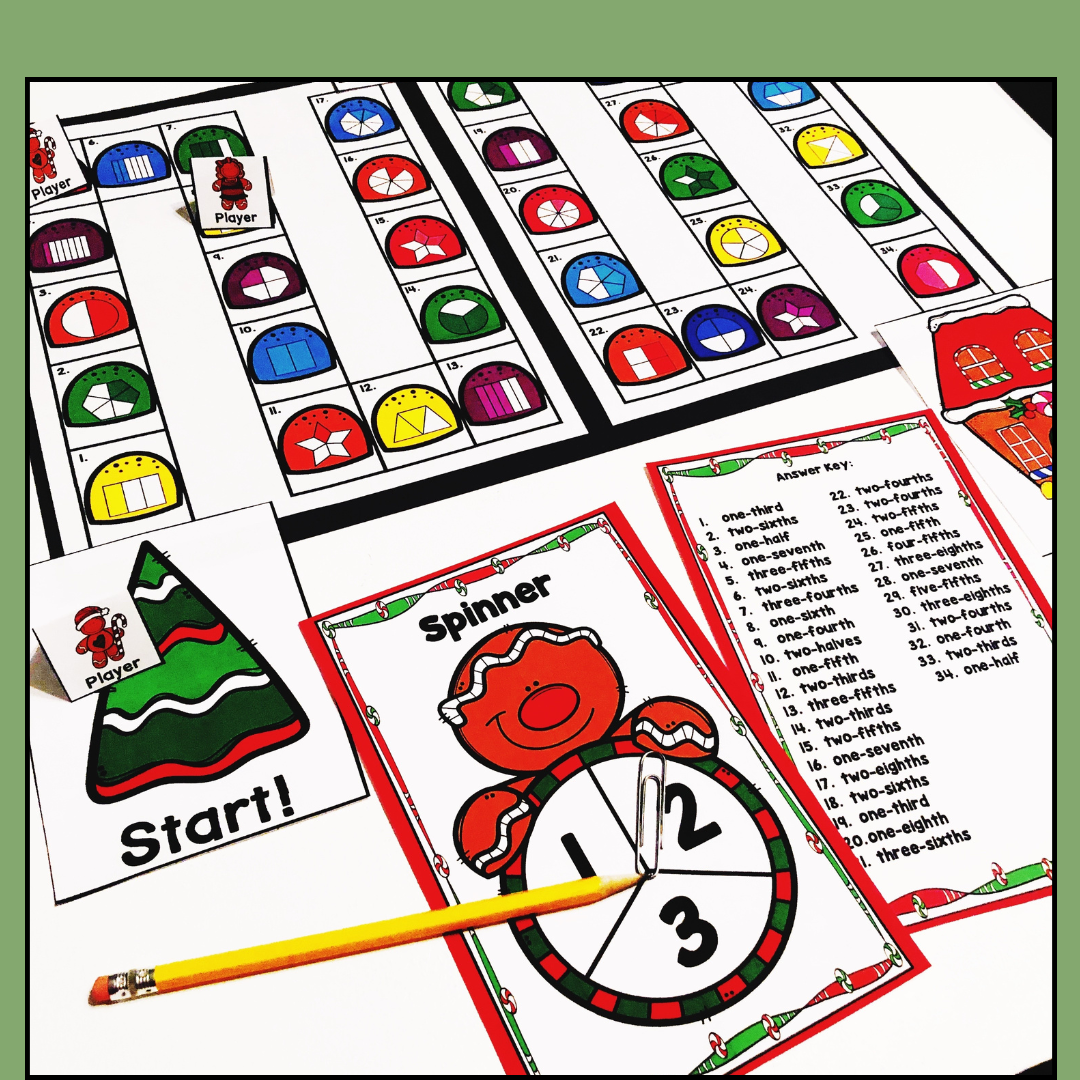
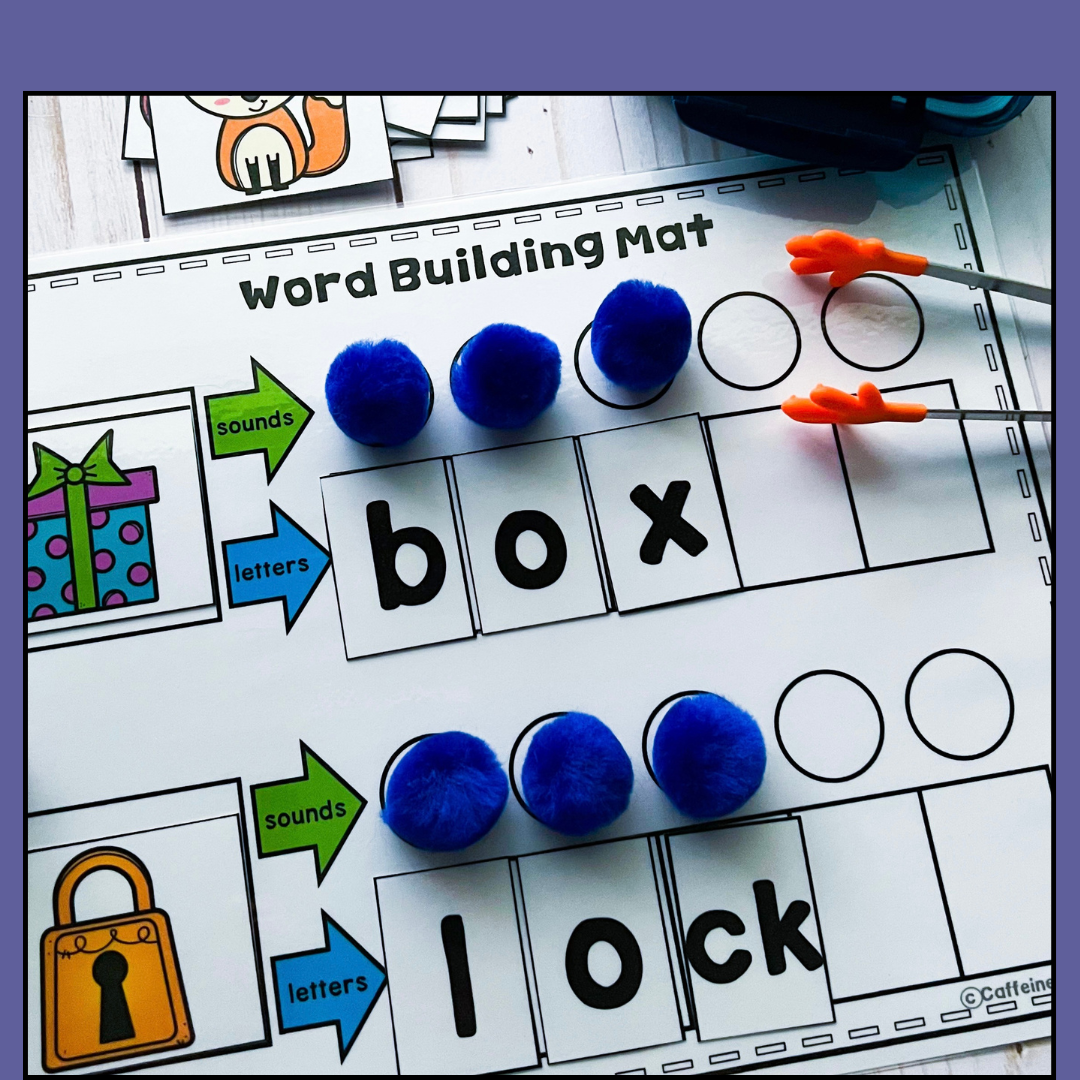
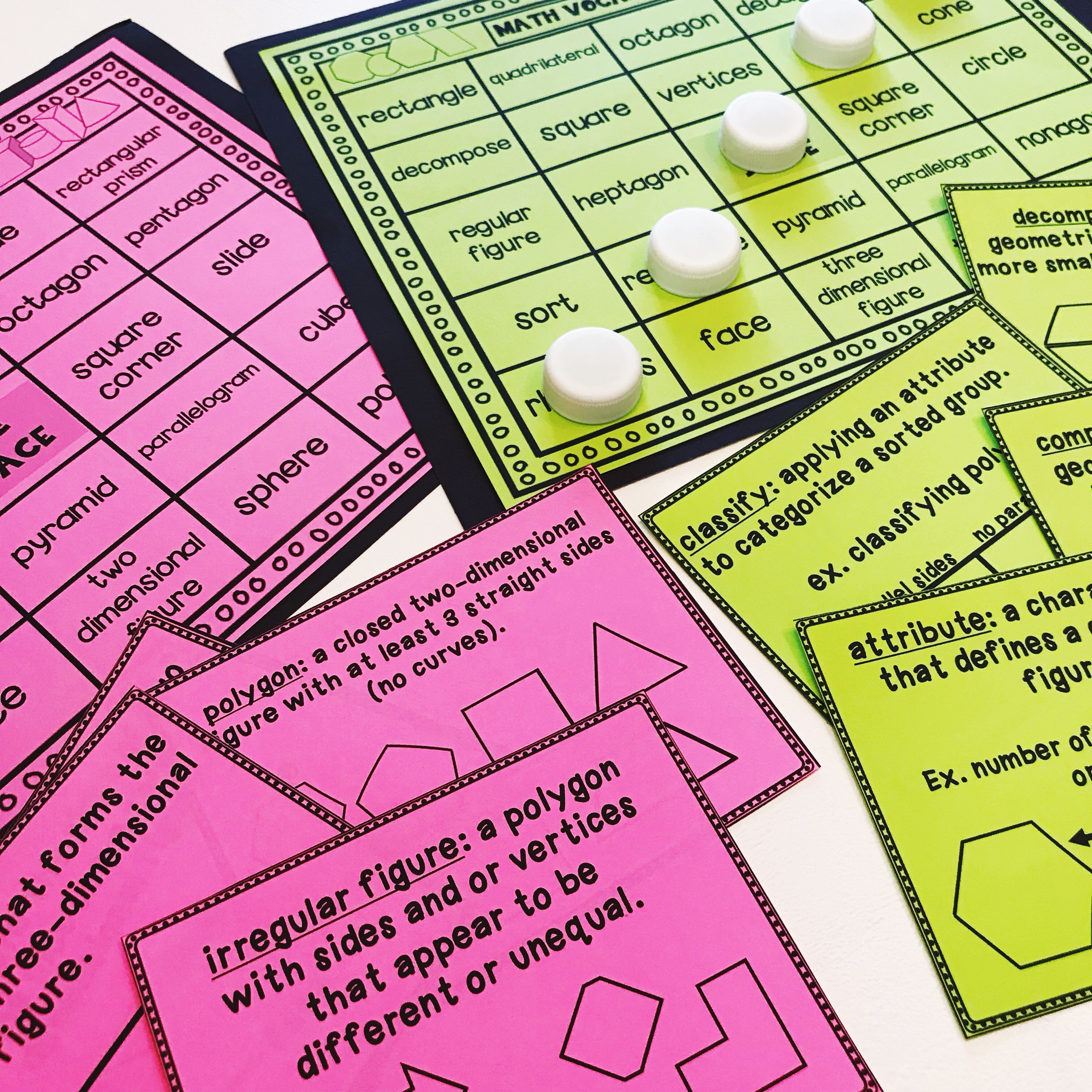
If you would like engaging seasonal math games for the whole year, check out this fun, $$$ saving bundle!

I hope you enjoy using these fun math activities with your students. It is my sincere hope that they contribute to a successful school year for them and for you! Happy Learning!!


















One thought on “Building Strong Addition and Subtraction Skills: 7 Effective Strategies Using Number Lines, Base Ten Blocks, and Scaffolding”