
Table of Contents

Winter break is magical. Restful. Rejuvinating…
And then January arrives.
Your second graders come back taller, chattier, and just a little rusty on routines. The structure you worked so hard to build in the fall suddenly feels… wobbly.
If you’re wondering how to reset your 2nd grade math routine after winter break without starting over, you’re not alone. January is the perfect time for a fresh start, but teachers shouldn’t have to reinvent the wheel.
The good news? You can restore calm, confidence, and consistency with just a few intentional moves.
It’s January: Time to Reset Your Math Routine!

Let’s face it. Your kiddos’ little bodies will be there, but their minds won’t be… not at first.
After holidays, it’s completely normal for students to:
- Forget expectations
- Struggle to focus
- Feel unsure about math skills
- Need extra reassurance
What they crave most now is predictability. What teachers need is structure without extra planning.
That’s where a strong, familiar 2nd grade morning math routine makes all the difference.
7 Simple Ways to Reset Your 2nd Grade Math Routine After Winter Break
1. Start With Familiar Math Structures

After a long break, students feel safest and more engaged when things look familiar.
Instead of introducing a brand-new math format, begin with:
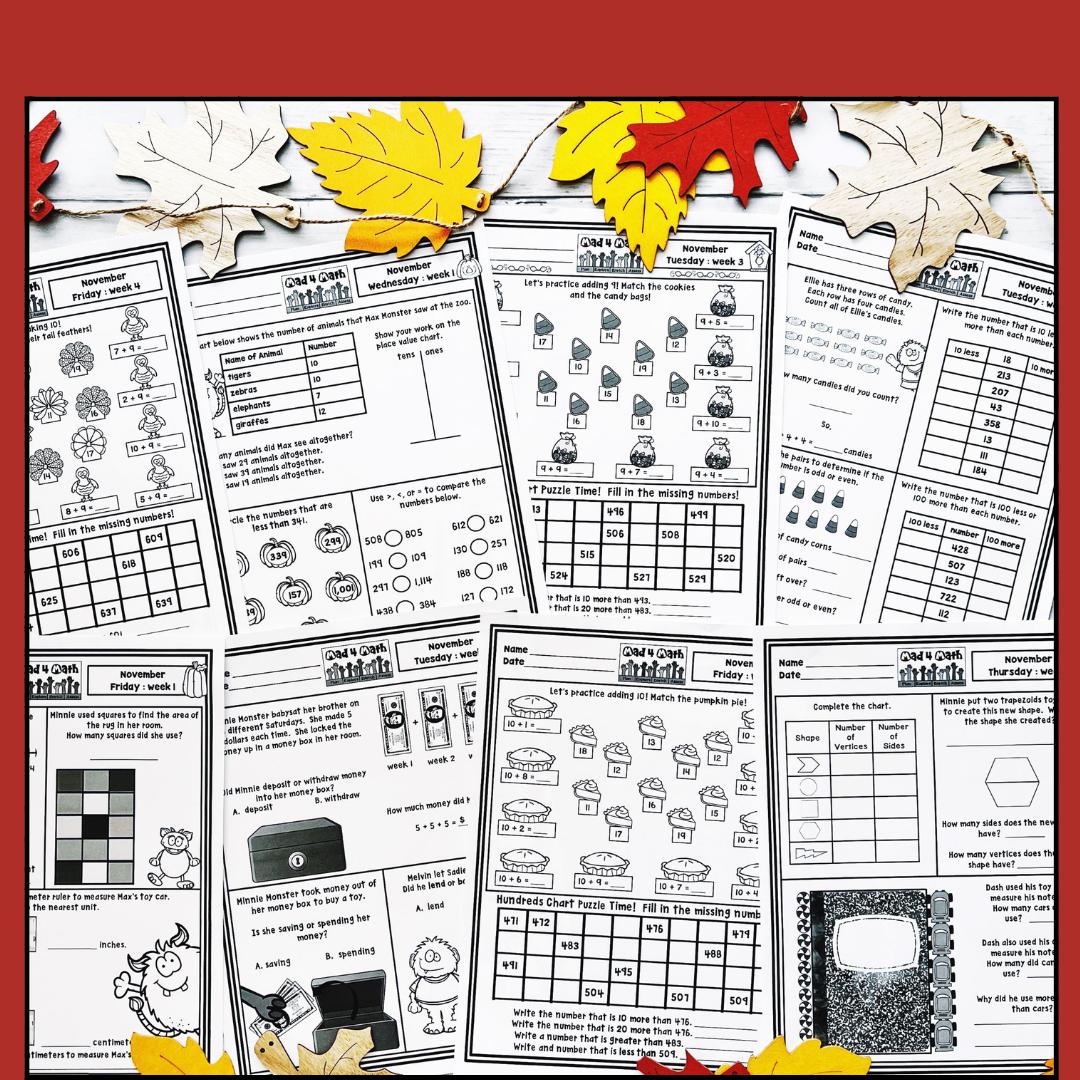
- The same worksheet layout
- The same daily math routine
- The same expectations students already recognize
This reduces anxiety and helps students say, “Oh yeah–I know how to do this.”
Extra reset tip: Use the same visual cues, anchor charts, or headings you used before break. Familiar visuals help routines click back into place faster.
2. Reset Expectations Before Resetting Skills

Before diving into content, take time to reset math expectations.
- Where materials go
- How students show work
- What to do when finished
- How to ask for help
A five minute expectations refresher can save you days of redirection.
Extra Reset Tip: Model expectations using a students volunteer or think-aloud. January students often remember more that we expect. They just need a reminder.
3. Use Gentle Spiral Review to Refresh Skills
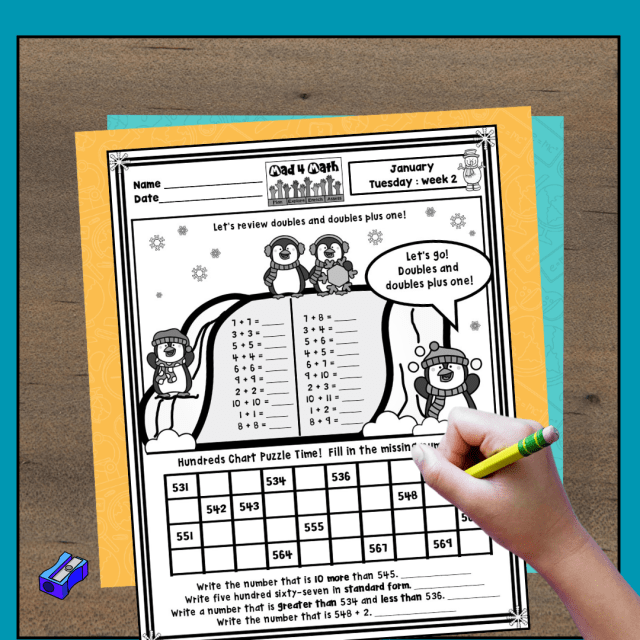
After a long break, math skills don’t disappear, but they do get rusty.
That’s where spiral math review shines.
A daily spiral math review:
- Refreshes forgotten skills
- Reinforces concepts naturally
- Helps you spot gaps early
Short, consistent practice is far more effective than overwhelming review packets.
Extra Reset Tip: Celebrate effort over accuracy during the first weeks back. Confidence can lead to > more participation > which can lead to more willingness to practice skills > which can finally lead to mastery!
4. Reintroduce Your Math Routine on Day One

Waiting “until next week” often makes resetting harder.
Starting your math routine on the first day back:
- Signals structure is back
- Sets the tone immediately
- Helps students transition into learning mode
Keep the pace slow, the expectations clear, and the tone encouraging.
Extra Reset Tip: Use phrases like:
- “This is something you already know how to do.”
- “Let’s wake our math brains back up.”
5. Use Morning Math as a Soft Landing

Morning math routines are one of the most effective ways to reset after winter break.
a predictable morning math activity:
- Creates calm at the start of the day
- Encourages independence
- Reduces off-task behavior
- Frees you up for attendance and check-ins
Within days, students settle back into the routine with confidence.
Consistency, not over-explaining, is what brings routines back to life.
Extra Reset Tip: Pair morning math with soft music or dimmed lights. It helps ease students into focus mode.
6. Keep Math Time Consistent

Your students may need some time to settle back in
You may notice:
- Shorter attention spans
- Slower transitions
- Mental fatigue
That’s normal.
Rather than changing your math schedule, shorten lessons but keep the routine:
- Same time
- Same structure
- Same expectations
Consistency rebuilds stamina.
Extra Reset Tip: Use math journals or dry-erase boards to keep engagement high without adding prep.
7. Focus on Progress, Not Perfection

January is about momentum, not mastery.
Some students will:
- Rush
- Forget steps
- Need extra reminders
That’s okay.
Celebrate:
- Showing work
- Trying strategies
- Sticking with the routine
Confidence returns faster when students feel successful.
Extra reset tip: Share class-wide progress goals, such as:
- “We are getting faster at starting math.”
- “We remembered our math expectations today!!”
A Fresh Start Without Starting Over
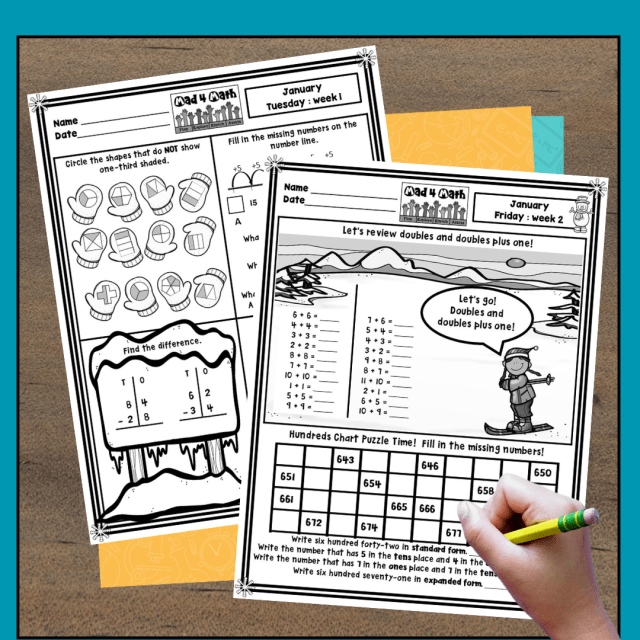
Resetting your 2nd grade math routine after the holidays doesn’t require new programs or complicated plans.
It requires:
- Familiar routines
- Gentle review
- Clear expectations
- Consistency
January is a chance to restore calm, confidence, and focus. One math block at a time. Sometimes the best reset is simply returning to what already works.
Final Thought
August is about building routines. January is about bringing them back.

A predictable, daily math review routine allows you to reset expectations, rebuild confidence, and bring calm back into your classroom, without starting everything all over.




















0